Jaipur is the capital of the state of Rajasthan, founded in 1727. The city was established on the plain and built according to a planned grid. The city’s urban planning shows an exchange of ideas from ancient Hindu, modern Jugal as well as western cultures. The city was designed to be a commercial capital, the city has maintained its local commercial artisanal and cooperative traditions to today.
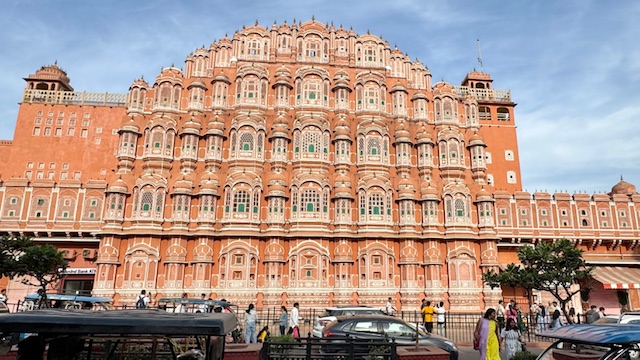
We began the morning with a drive through Jaipur old town, known as the “Pink City” as all of the buildings there are painted a shade of pink. We made one photo stop at the Hawa Mahal palace located on the main business street during the late 1700’s specifically for the ladies of the palace. In those days royal women were not allowed to venture out of the palace, so this palace was built with many windows so the ladies could observe the everyday life of the common folk.

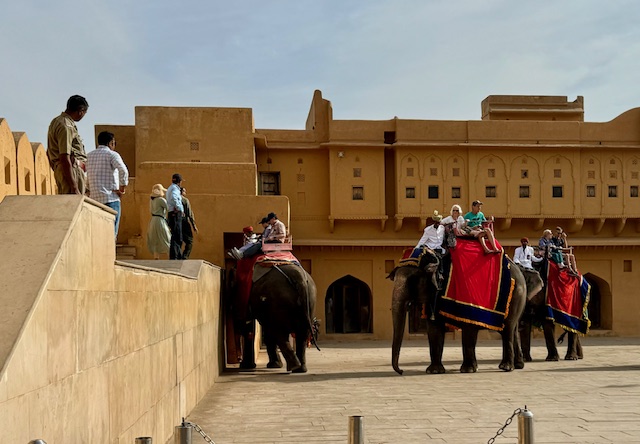
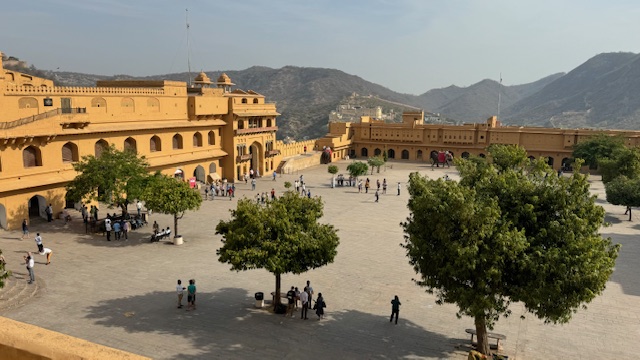
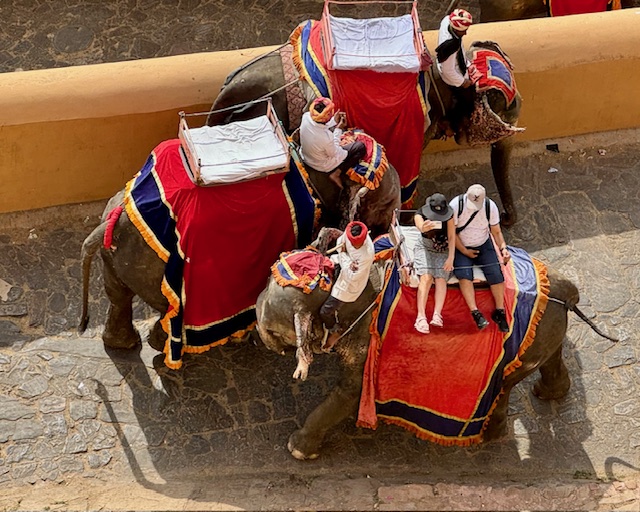
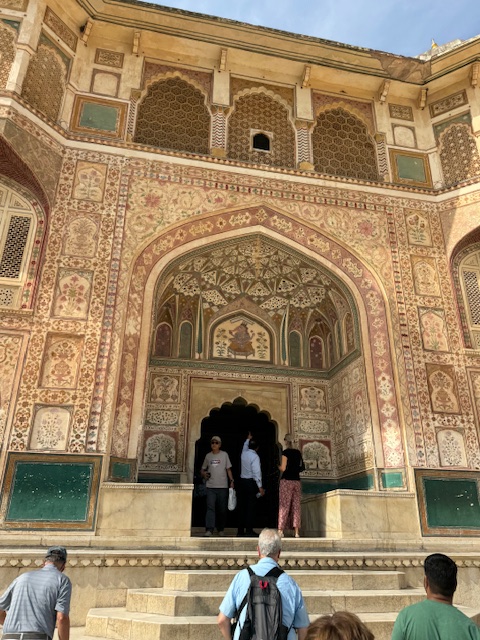
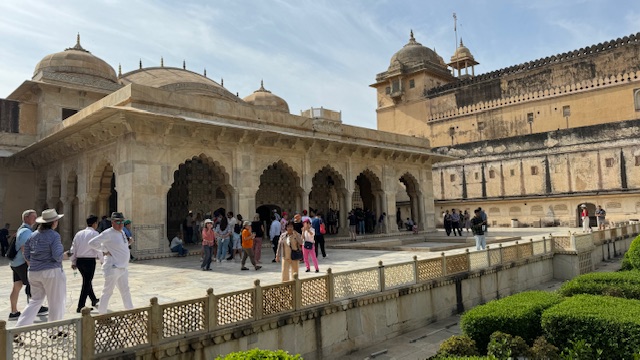
We continued through the city and into the hills overlooking the city to visit the Nahargarh Fort, built in 1734 by the Hindu Rajput ruler Maharaja Swai Jai Singh II. He also was the founder of Jaipur and chose to build the fort in the Aravalli Hills to use as a retreat place and home for his 9 wives. Adjacent to the fort is the magnificent Amber Fort. The Fort is surrounded by fortified battlements and overlooks the Maotha Lake. We took our tour van to the base of the hill that Amber Fort is on and from there road in jeeps to the fort entrance.
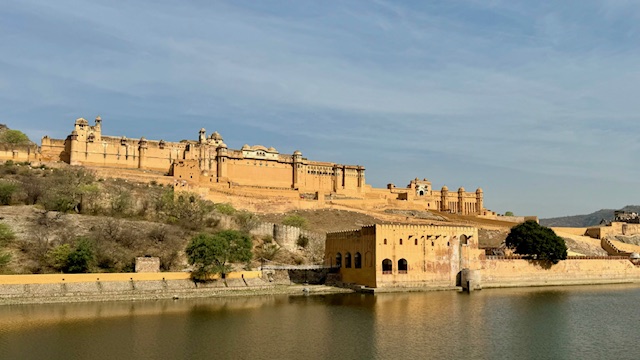
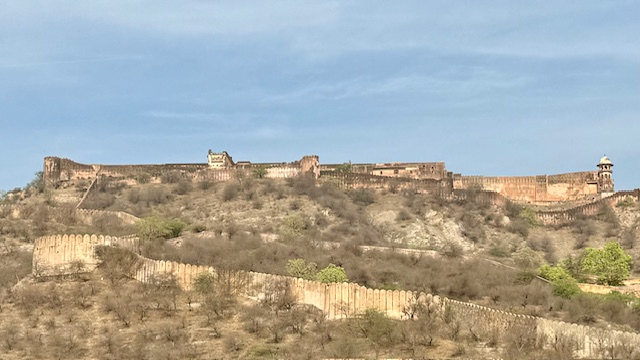

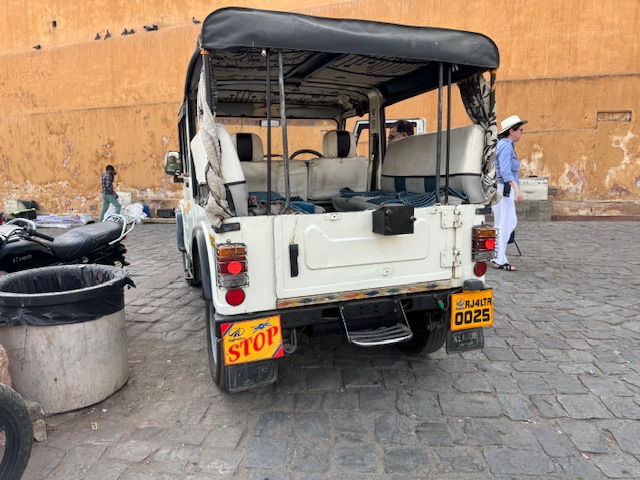
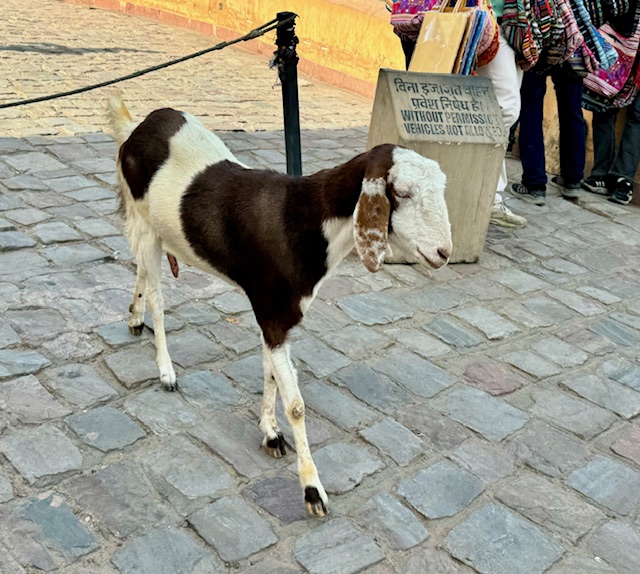
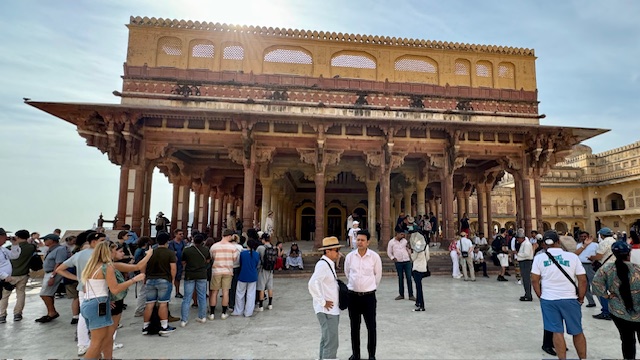
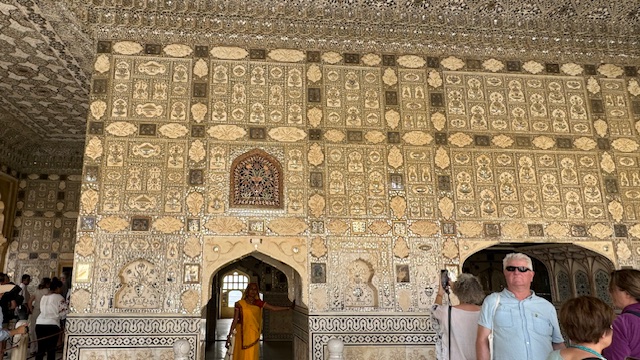
The main area of the Amber Fort is a sprawling complex of courtyards and halls that took over 200 years to build during the 15th through the 17th century. Most impressive is the Hall of Mirrors where a single lamplight is reflected in the numerous mirrors lighting the entire room.
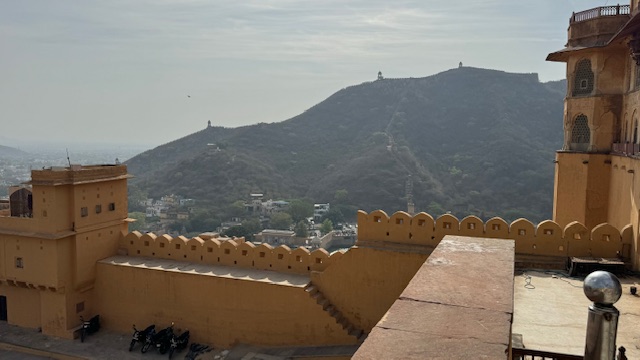

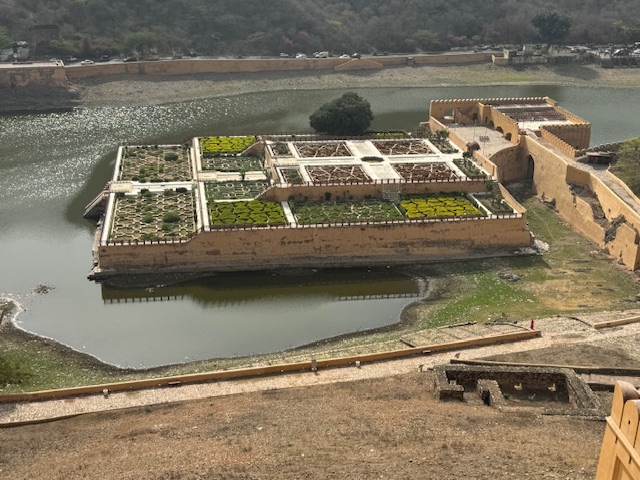
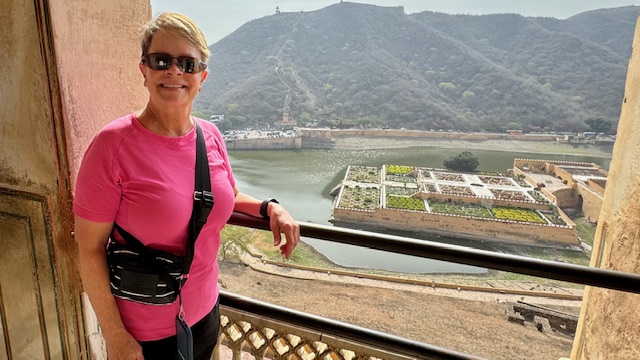
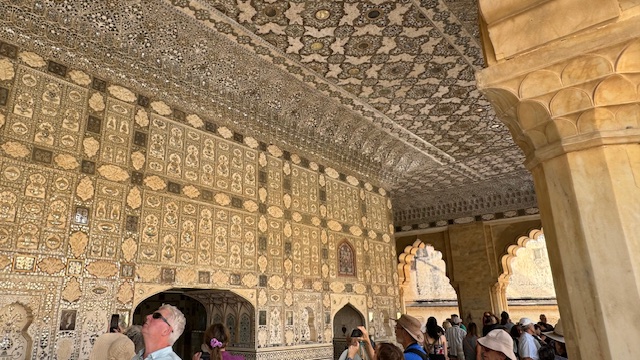
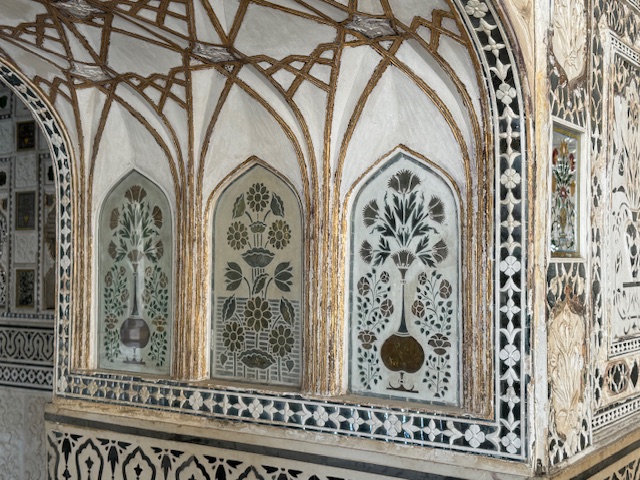
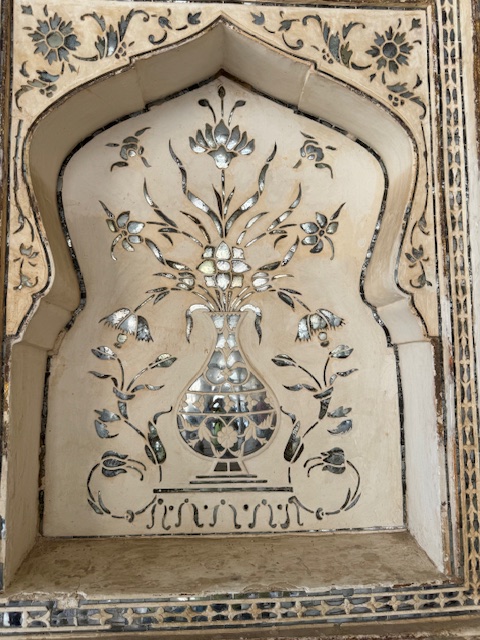
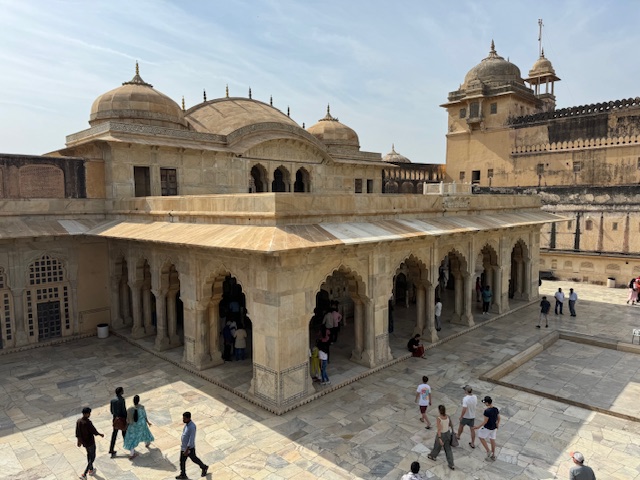
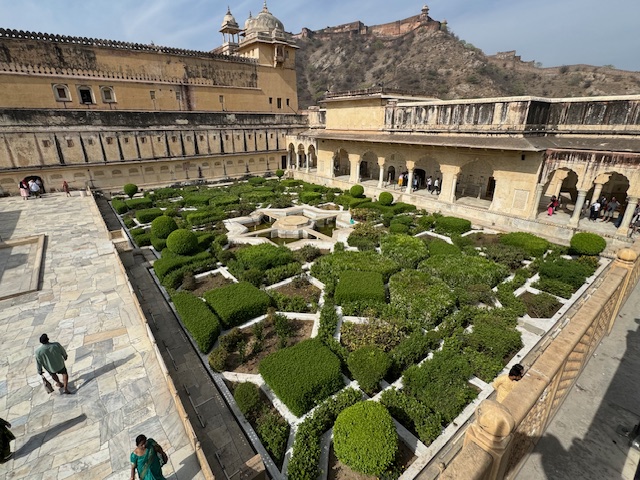
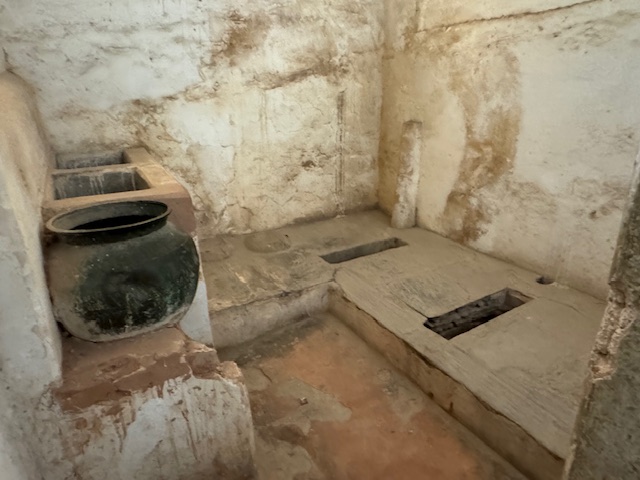
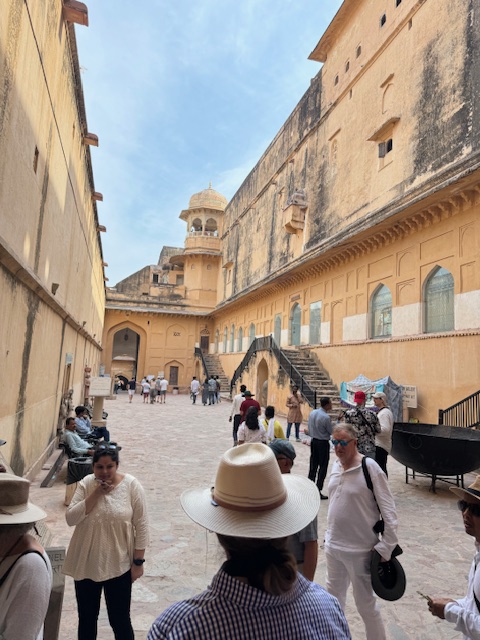

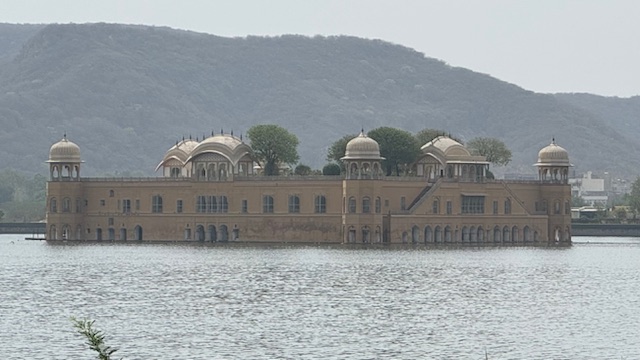
We headed back down the mountain and made a photo stop at the Lake Palace, the summer palace of the Maharaja.
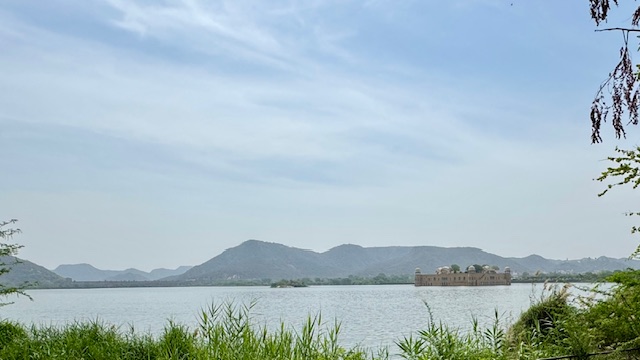
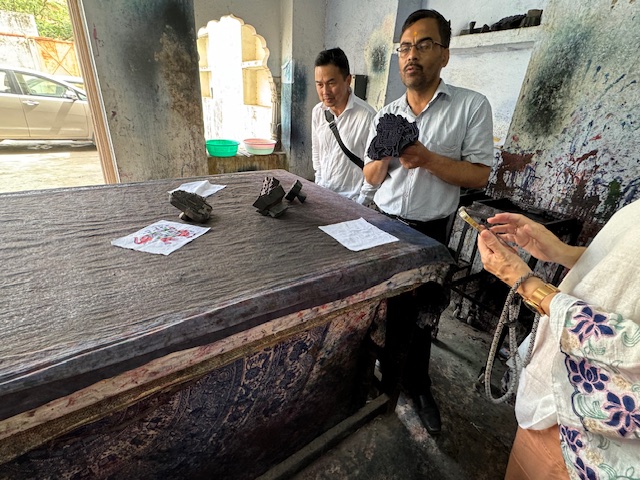
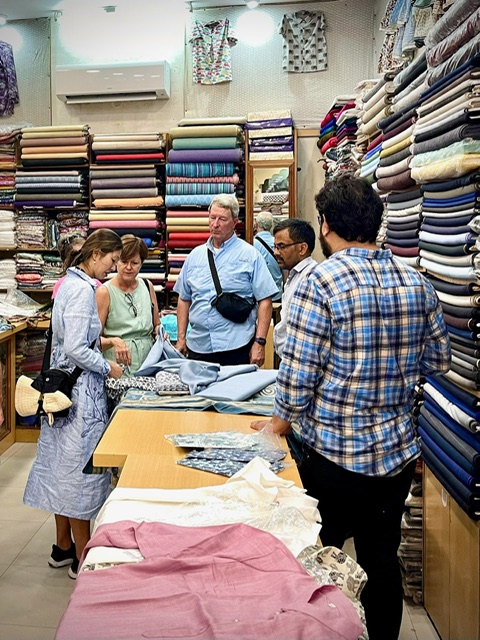
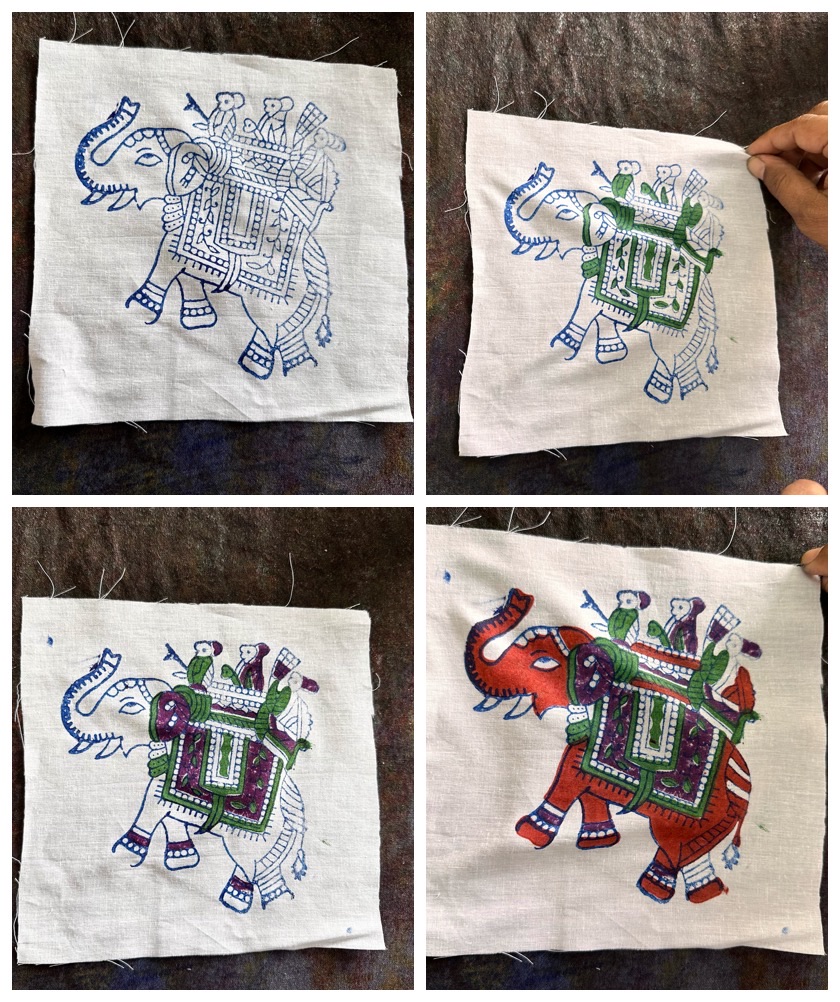
After lunch we made a stop at a local fabric coop for a demonstration of fabric stamping and dying.
The next stop was the Jantar Mantar Observatory, a UNESCO World Heritage Site, built in the 18th century is the largest stone and marble crafted observatory in the world, having 17 large instruments including a large sun dial that is accurate to 3 seconds.
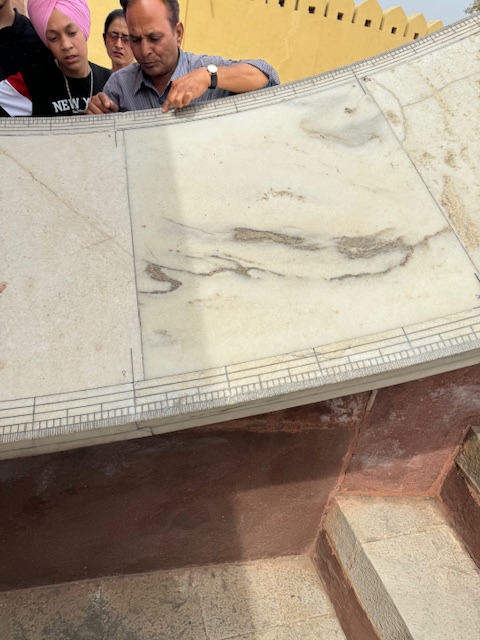
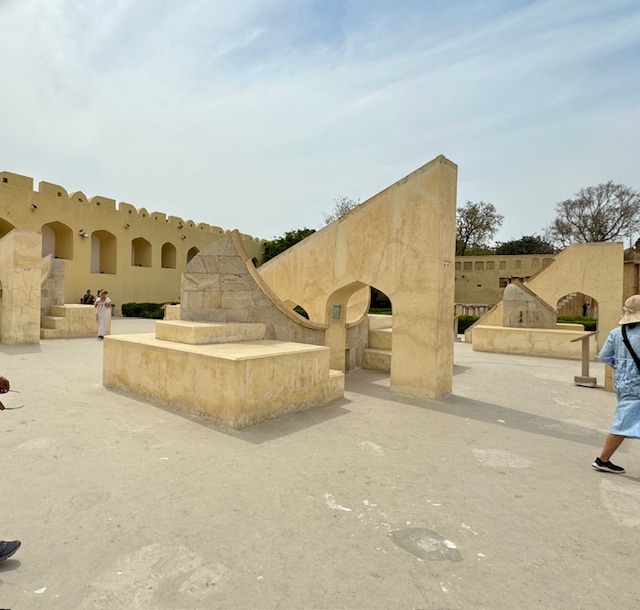
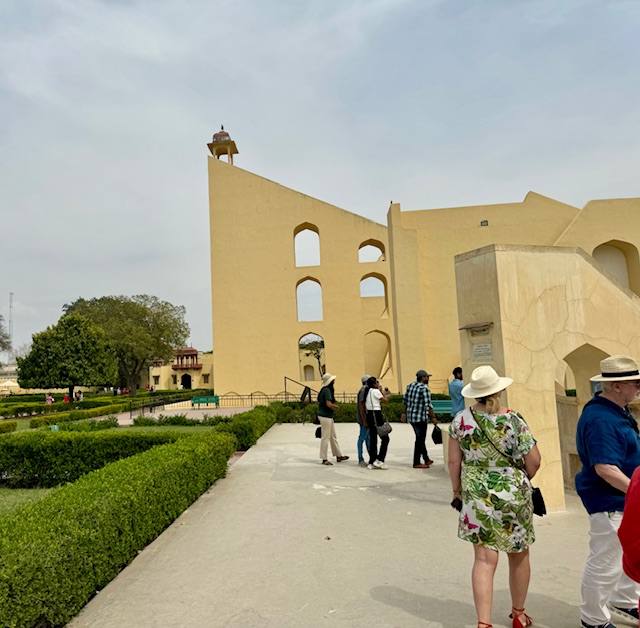
Adjacent to the observatory is the Maharaja’s City Palace, the former Royal residence, part of it converted into a museum. A small portion is still used by the royal family of Jaipur.
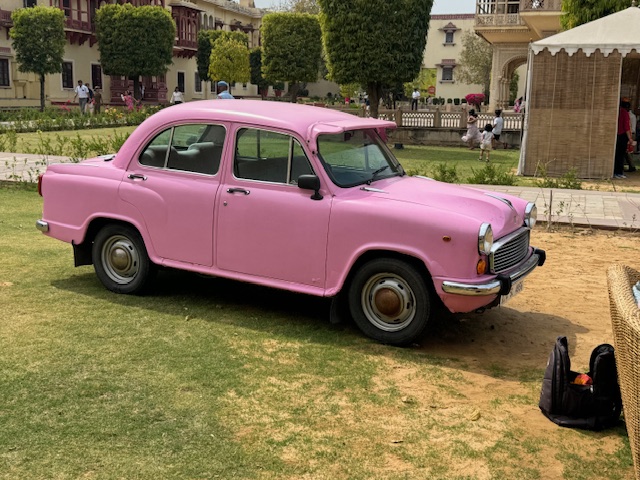
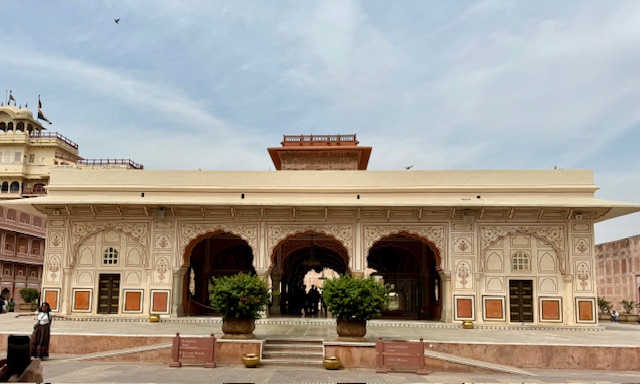
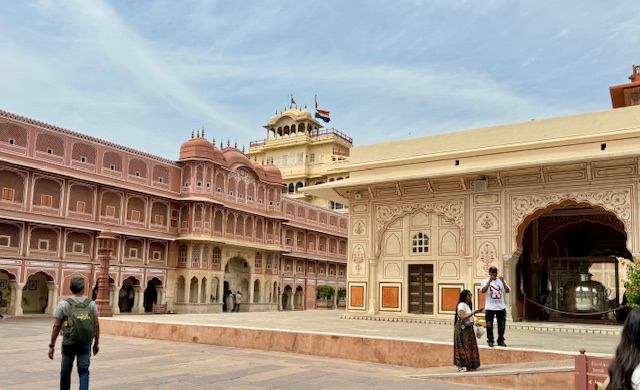
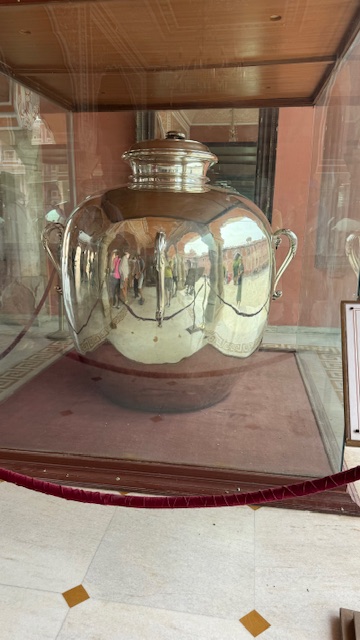
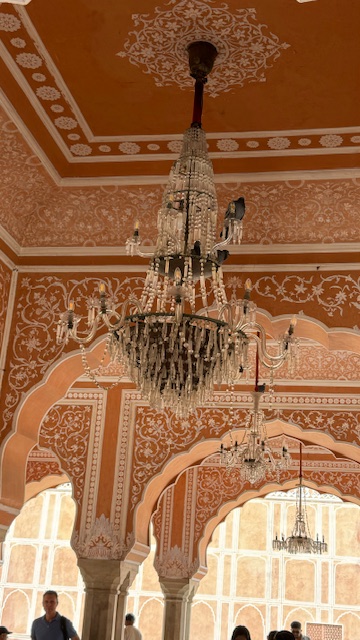
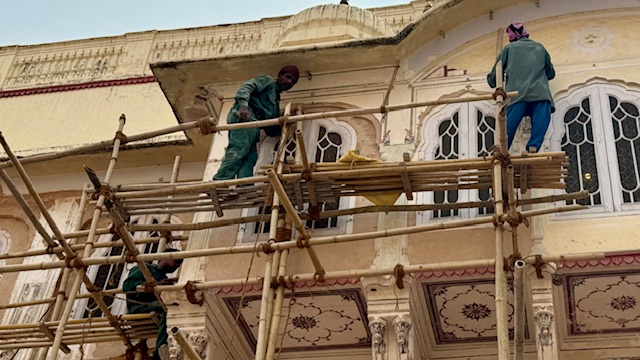
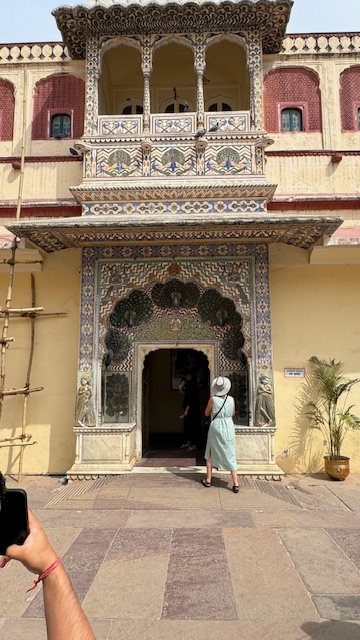
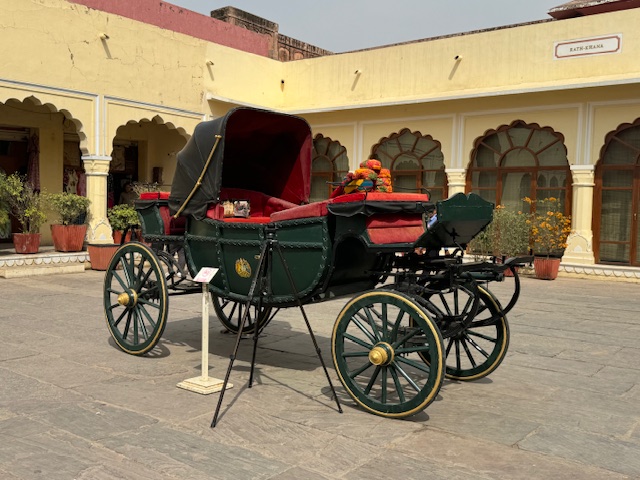
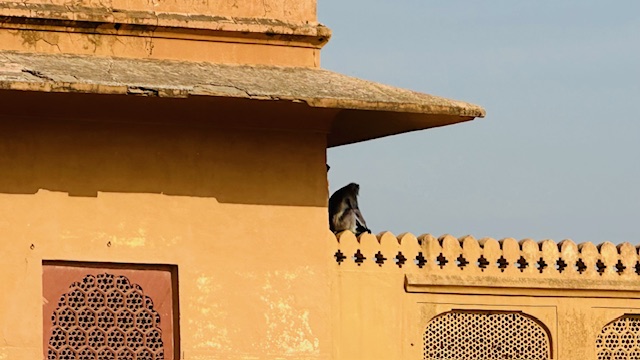
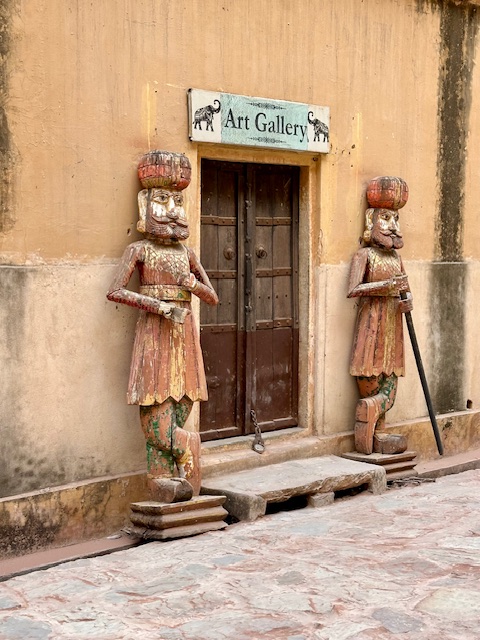
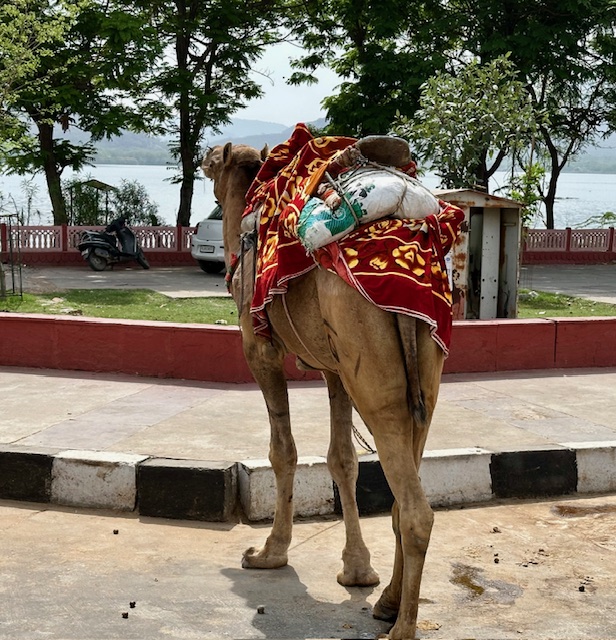
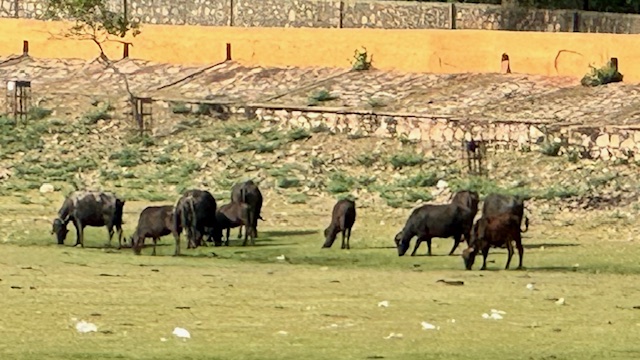
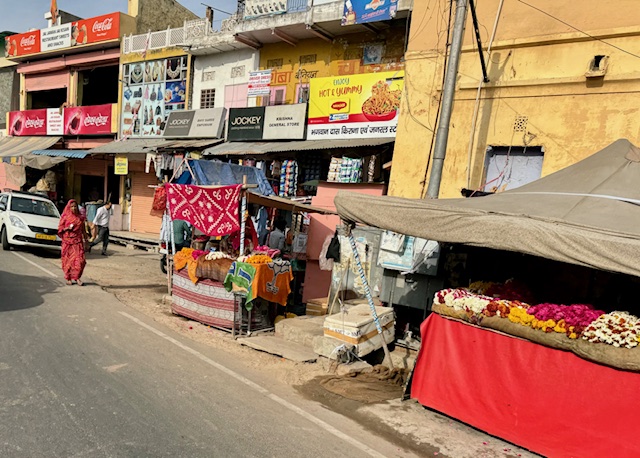
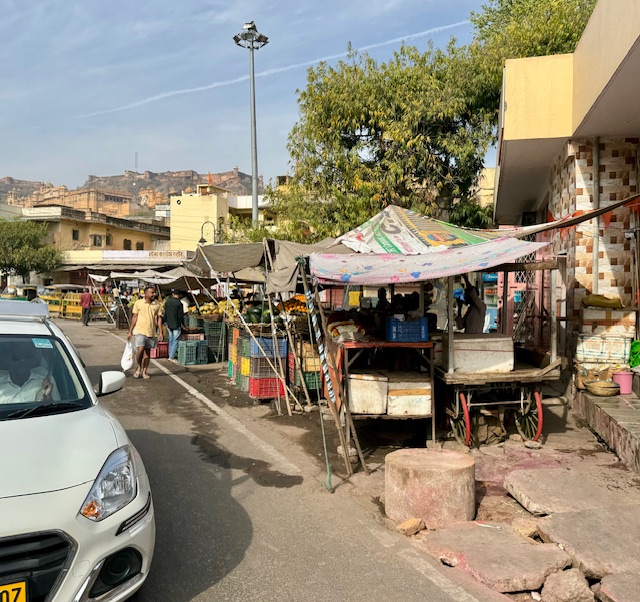
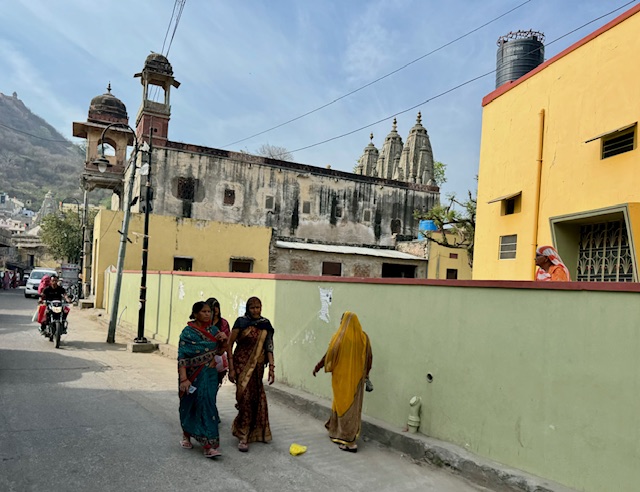
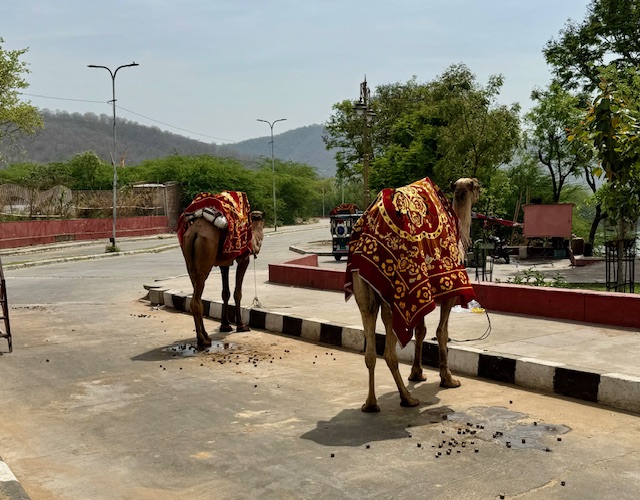
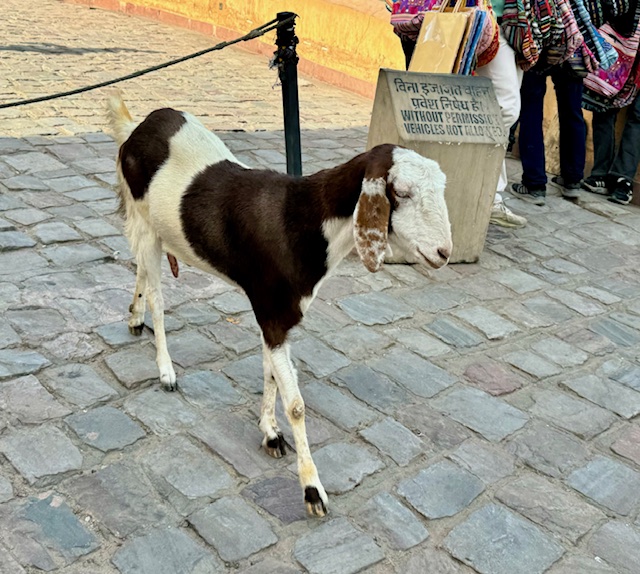
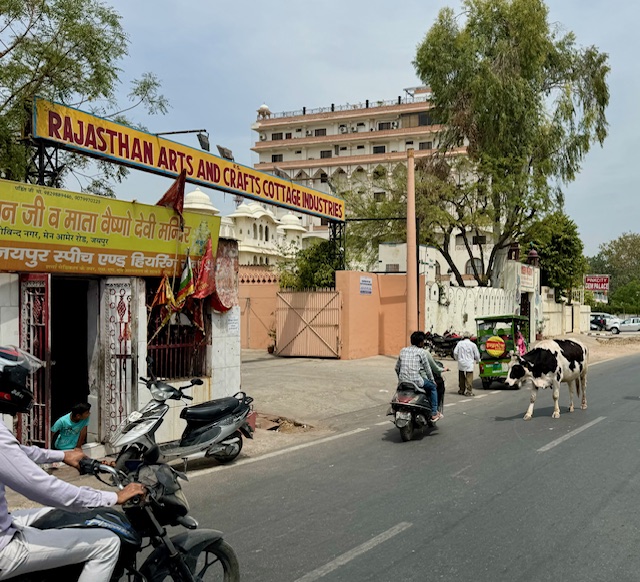
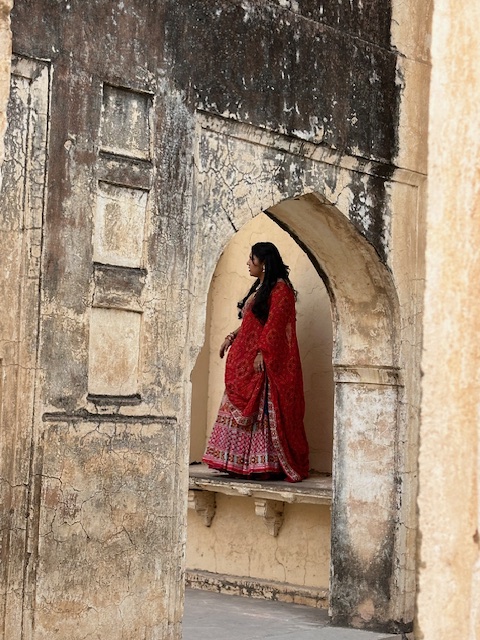
Here are some other pictures from Jaipur, India.
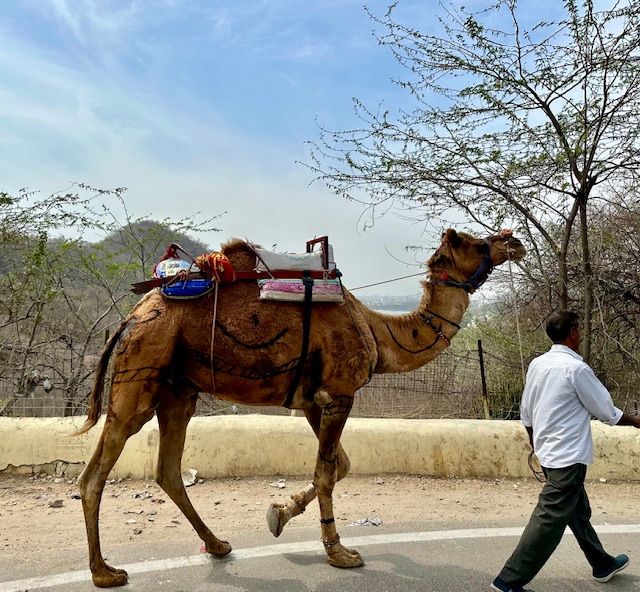


Tomorrow we will move on to Ranthambhore for a safari in the Tiger Reserve.

 Don & Kully's World Cruise on Viking Neptune
Leave a comment