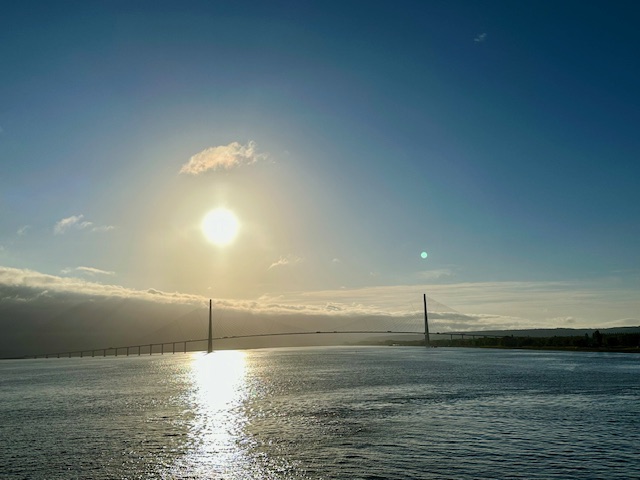
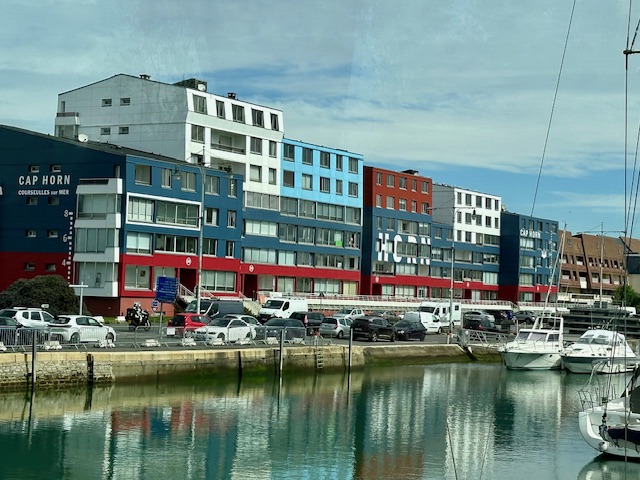
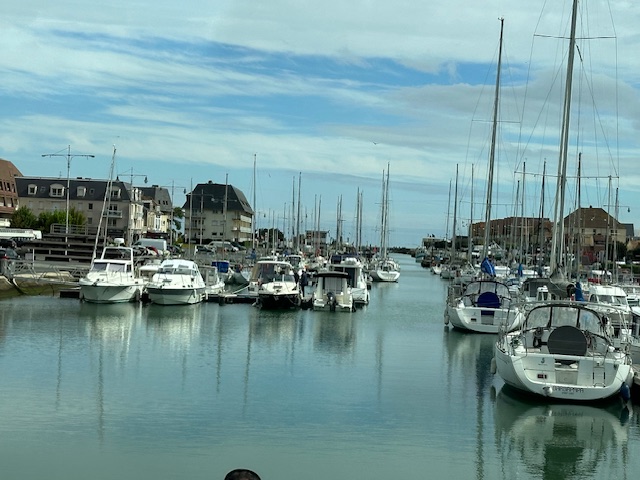
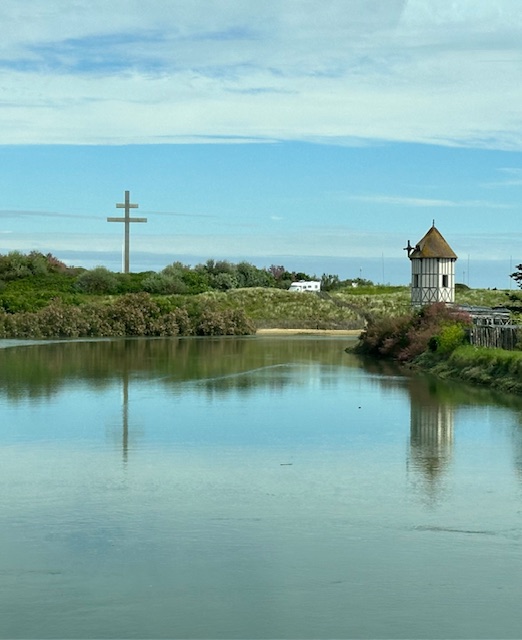
Today we were docked in Honfleur, France. Honfleur is a port city located on the south side of the estuary of the Seine River across from the more modern port city of Le Havre. These two ports serve as the maritime gateway to Paris. The port city of Honfleur dates back to the 11th century and in the 19th and 20th centuries became a popular destination for artists who still come to paint scenes from the old harbor and of the historic homes and charming cafes.
Today we took the Viking optional tour to the Normandy beaches sight of the WWII D-day landings. One month from today, June 6, will be the 80th anniversary of the D-day landings. We lived in Germany in the early 1980s and regrettably never visited Normandy, so this has been on my bucket list ever since. It was about a ninety-minute drive from the pier to the Normandy beaches. It is hard to comprehend how a battle the size of the D-Day invasion could have taken place in such a beautiful and tranquil place.

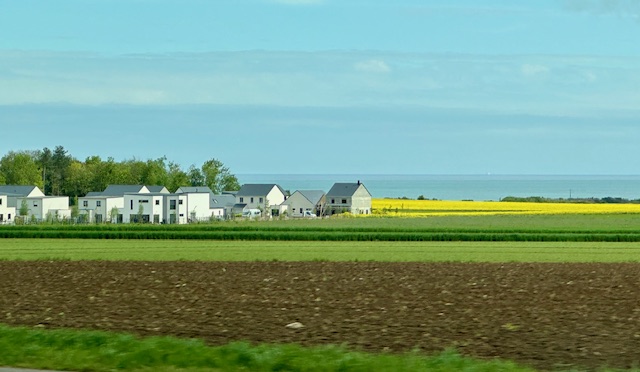

The Normandy beach landing area is approximately 50 kilometers (33 miles) in length. A total of Six allied infantry divisions and three airborne divisions took part in the landing.
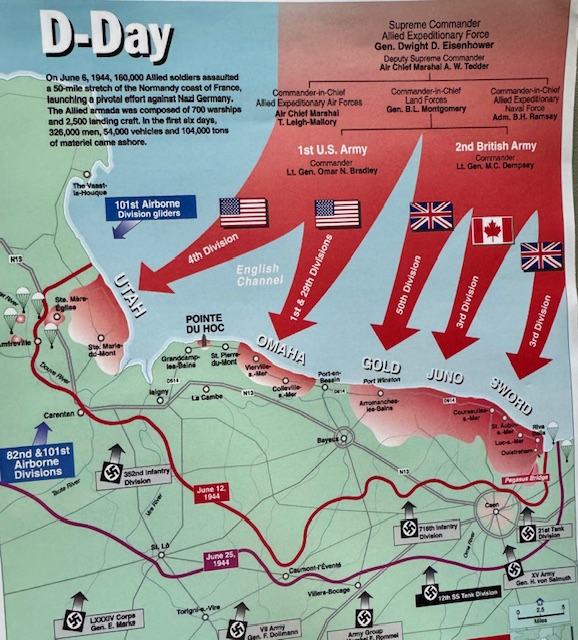
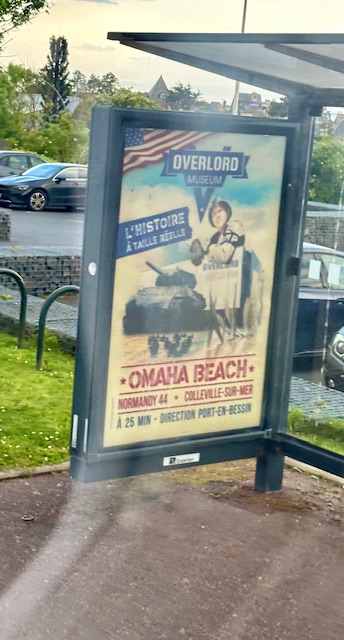
The five beaches were code named Utah, Omaha, Gold, Juno and Sword. Omaha was the heaviest defended and ultimately the bloodiest of the five. In total the allies landed more than 160,000 troops at Normandy on D-day, of which 73,000 were American. There were also 83,115 British and Canadian forces who landed on Gold, Juno and Sword beaches. By the end of August 1944 over two million troops were landed in northern France primarily through the beaches at Normandy. As big a challenge as landing over two million soldiers was, landing sufficient supplies to sustain them was an even bigger challenge as the Germans controlled all of the harbors in Western Europe. The allies came up with a unique solution called Mulberry harbors.
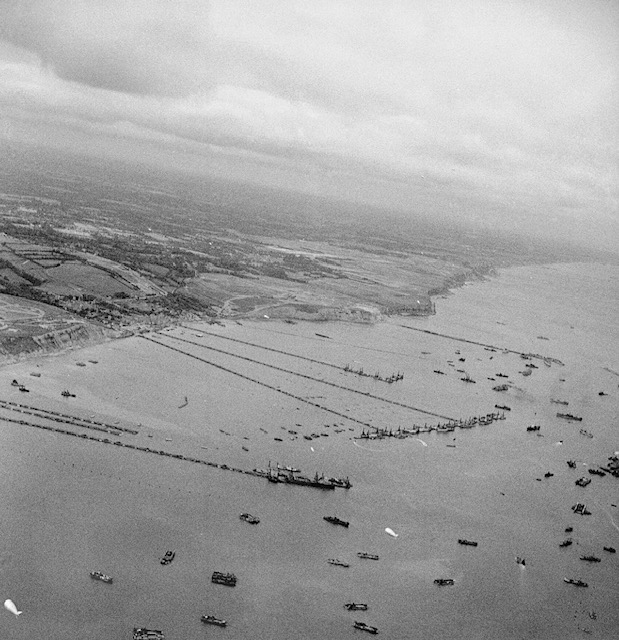
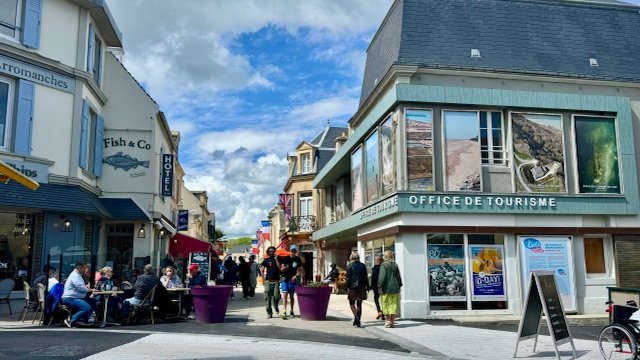
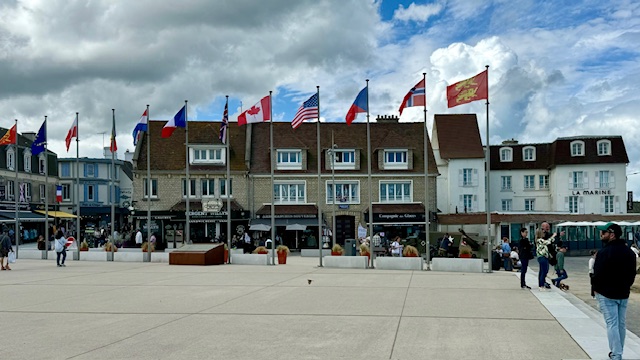
Mulberry was the code name for two deep water temporary jetties and harbors that could be used until major French ports could be captured and brought back to use. There were two harbors, Mulberry A in the American sector and Mulberry B in the British sector. Mulberry B was used for ten months after D-day and over 500,000 vehicles and 4 million tons of supplies were landed there. Mulberry A, at Omaha beach, was severely damaged on 19 June by a violent storm that arrived from the north-east before the pontoons were securely anchored. Ultimately, the harbor had to be abandoned, and the Americans had to resort to landing men and material over the open beaches. We were able to visit the D-day museums in Arromanches-les-Bains and also see the remains of Mulberry B.
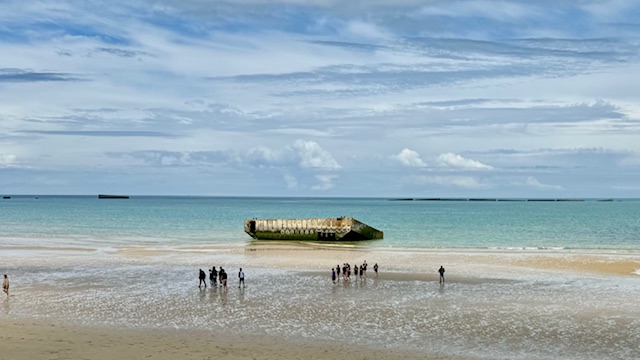
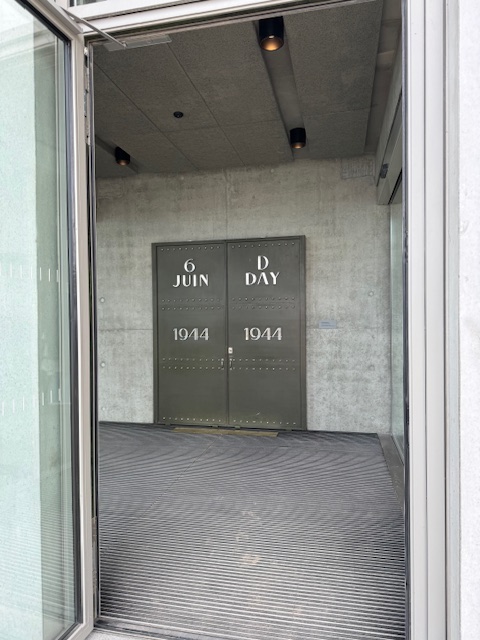

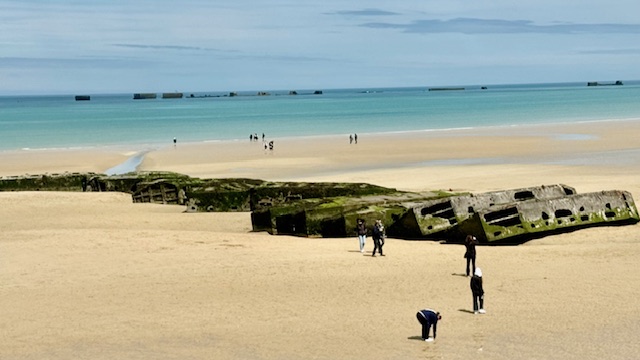
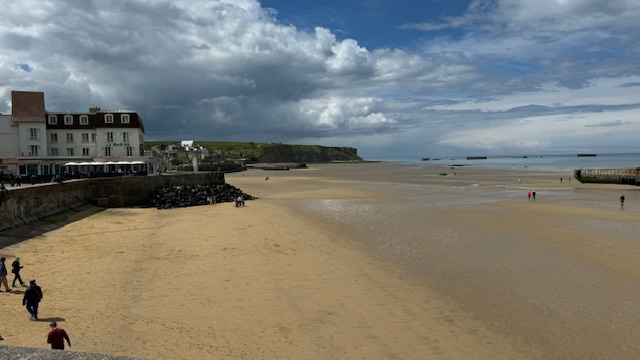
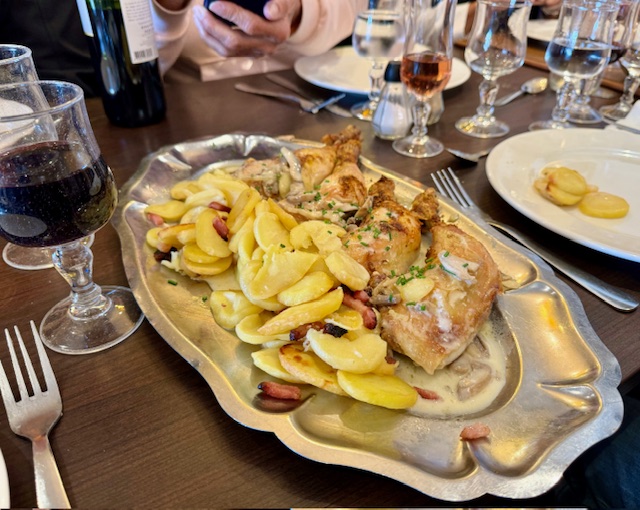
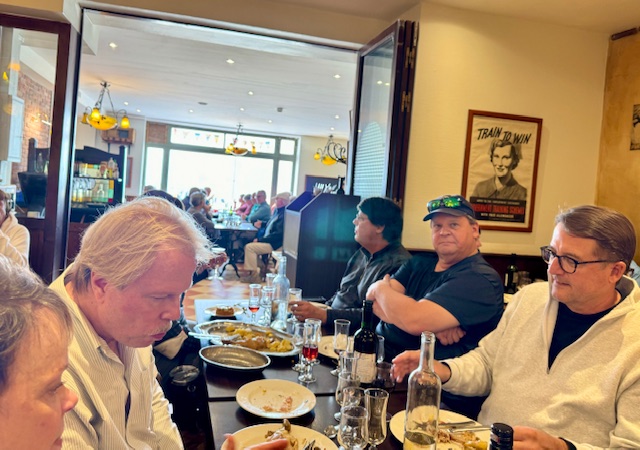
While in Arromanches-les-Bains we enjoyed lunch at a local restaurant and were able to explore some of the local shops.
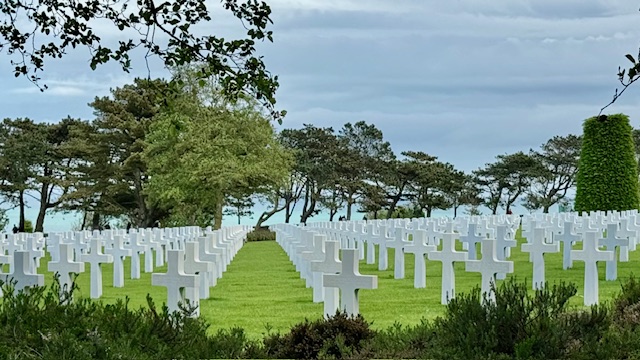
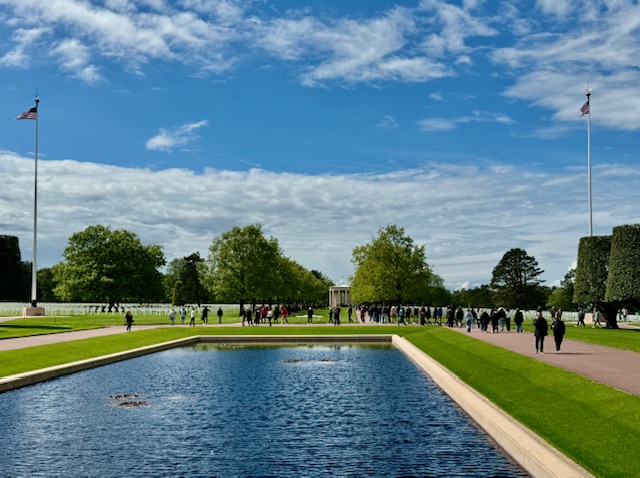
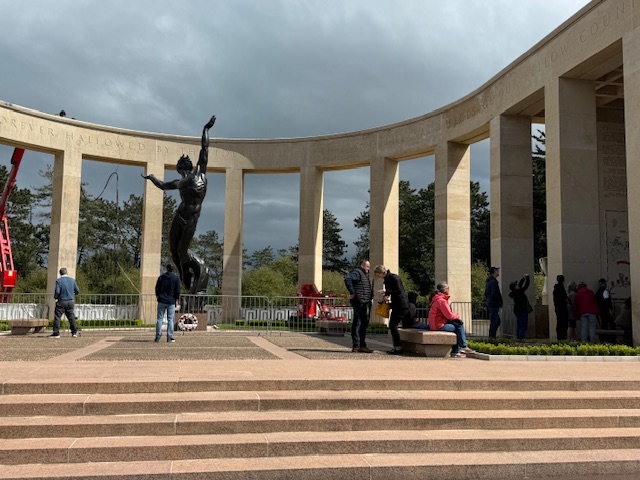
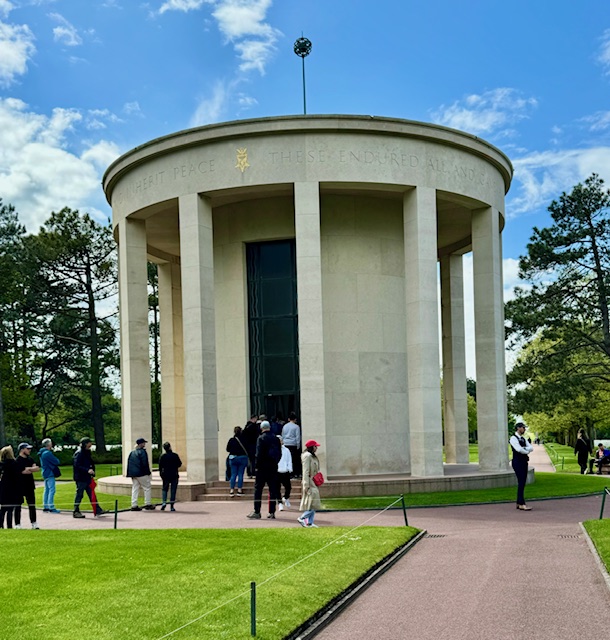
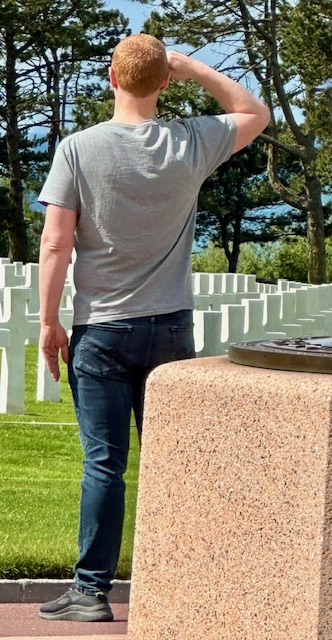
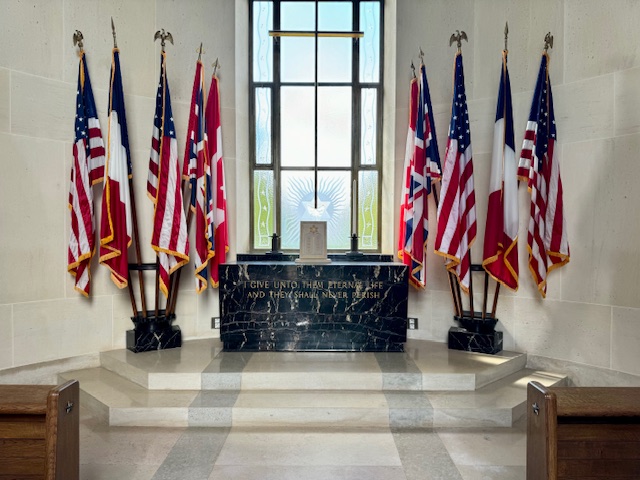
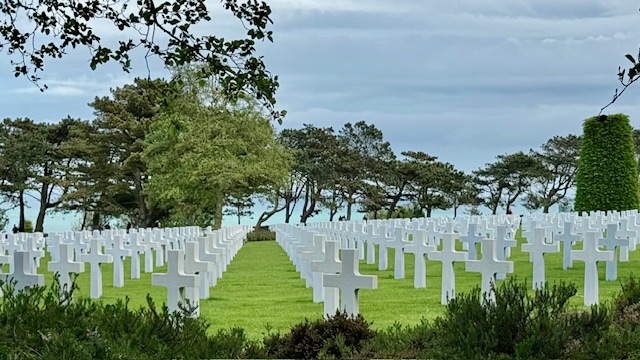
We continued west through the Gold sector and on to the Omaha sector for our next stop at the Normandy American Cemetery and Memorial where we visited the cemetery and also got our first glimpses of the Omaha landing beach. It is hard to describe the emotions we felt while visiting this sacred resting place for 9,388 American Servicemen killed primarily during the landing operations. The cemetery contains graves of 45 pairs of brothers, 30 of which are buried side by side, a father and son buried side by side, and 304 unknown soldiers. Additionally, there is a Wall of the Missing, that is inscribed with 1,557 names. The remains of approximately 14,000 servicemen originally buried in the area were returned to America for burial based on requests from their families.
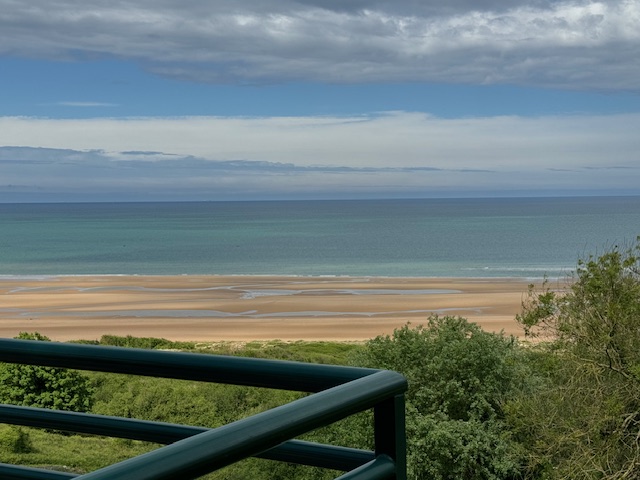
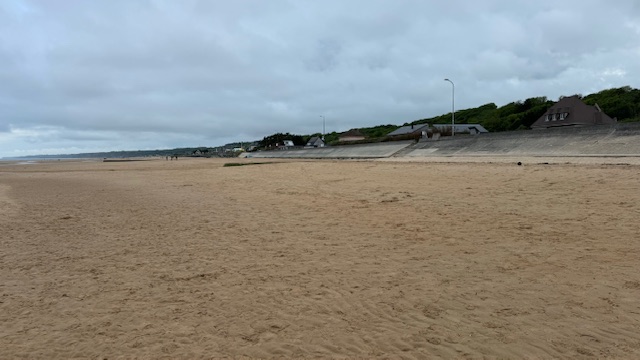
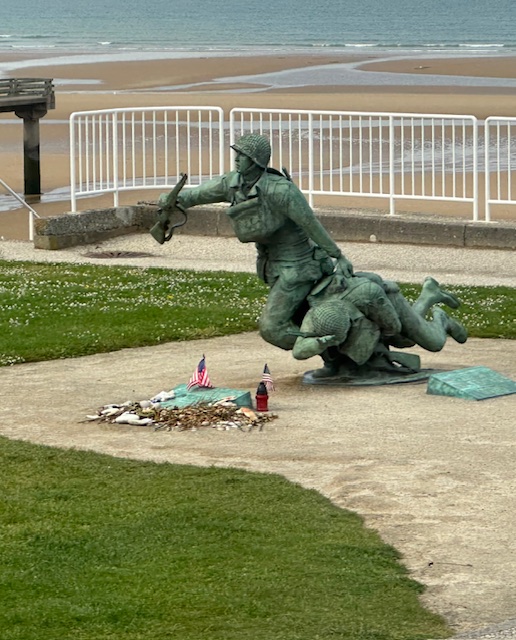
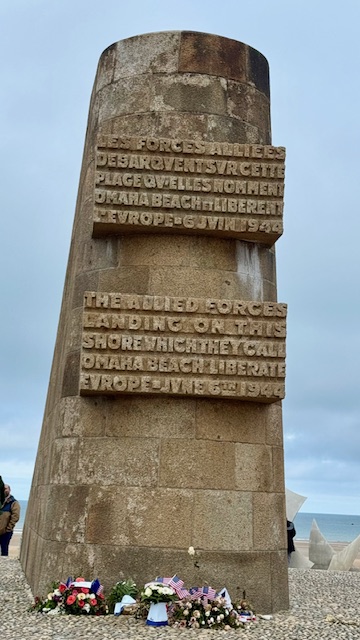
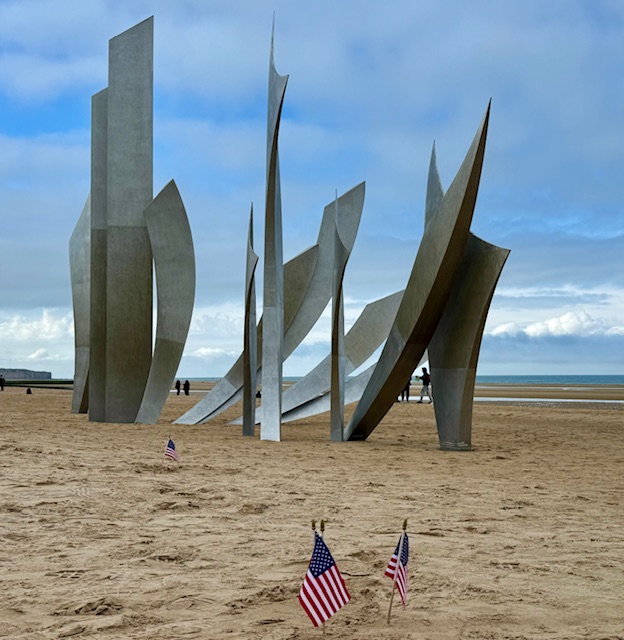
We continued on to the center of the Omaha beach landing site where there is a memorial of the landing. We were also able to walk out onto the beach to get a better idea of what the soldiers who landed here faced when they left their landing crafts.

Our next port of call is tomorrow at Dover, United Kingdom.

 Don & Kully's World Cruise on Viking Neptune
Leave a comment