Saint Malo is a walled city in the north of France that was devastated during WWII, however, several important structures still remain. Along cobblestoned streets, opulent homes from the 16th to the 19th centuries remain, once owned by wealthy privateers. Five lavish houses are still standing today, known as the “Malouiniteres”. Putis Sauvage has been in the same family for more than 200 years. Brittany’s oyster capital lies along the coast; Louis XIV is said to have enjoyed this delicacy daily.
Today we did Viking’s optional tour to the remarkable Le Mount-Saint-Michel Abbey. The abbey is about 45 minutes away from Saint Malo, so we got to enjoy the picturesque French countryside during our drive.
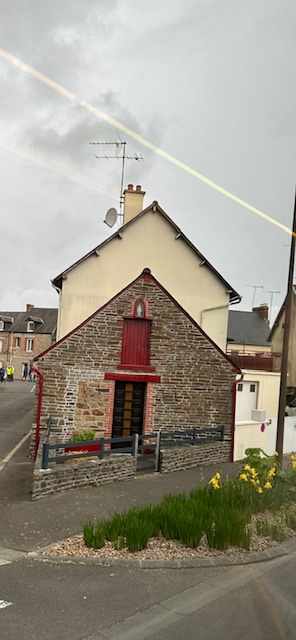
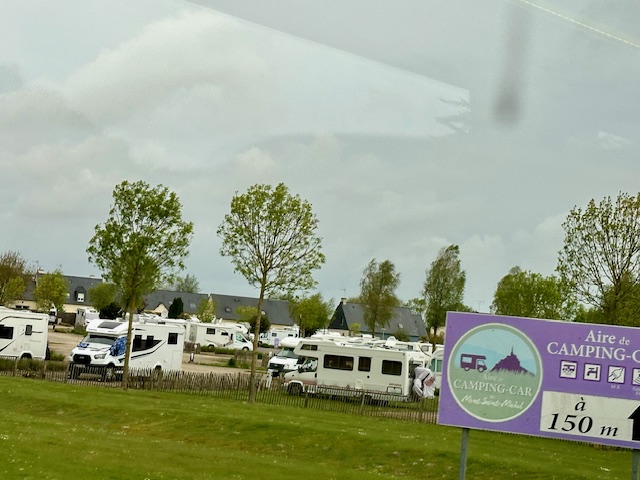
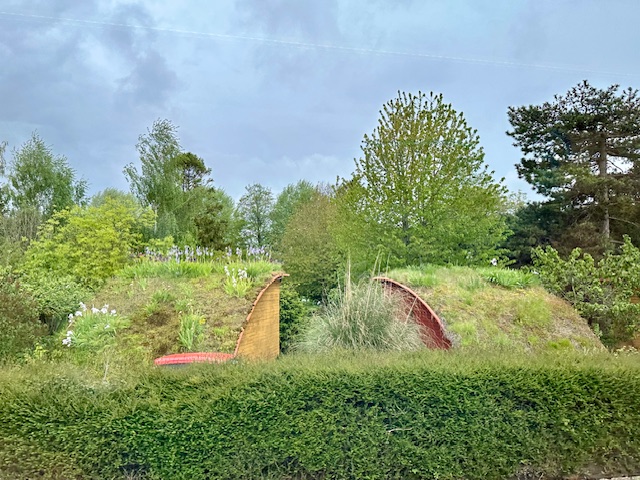
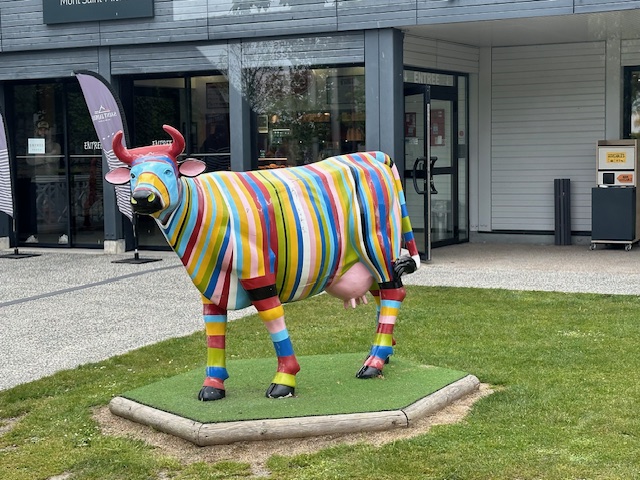
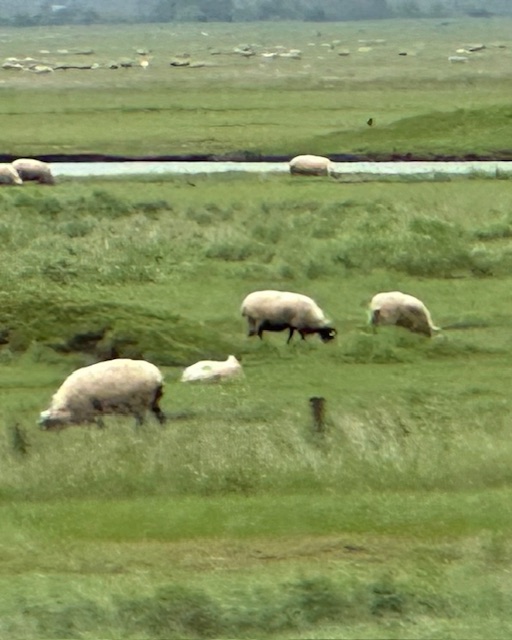
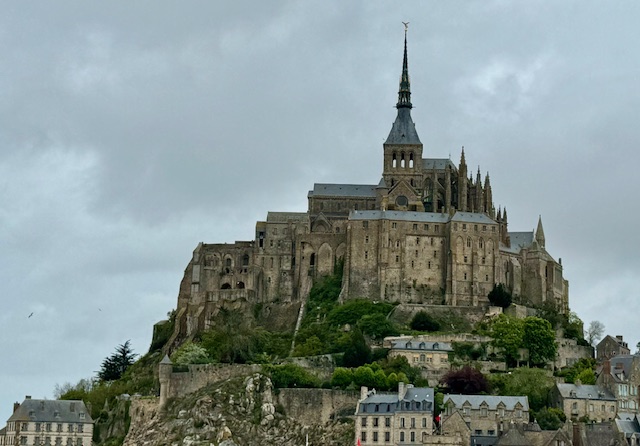
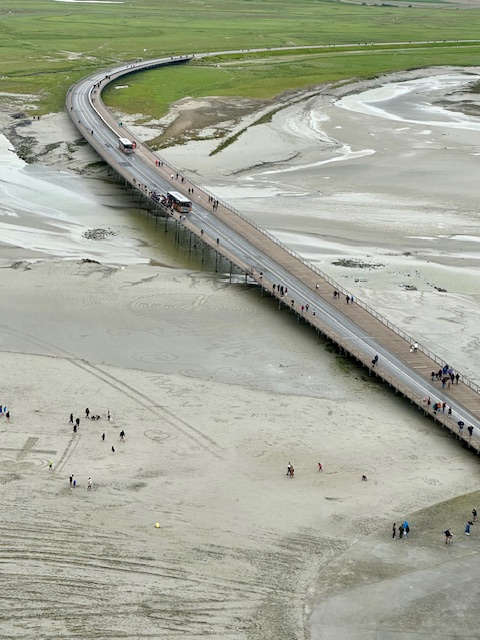
Le Mont-Saint-Michel is perched on a small island off the coast of Normandy, just a few miles south of the Normandy landing beaches. The island is connected to the mainland by a long causeway that crosses the large tidal plain. Because of this Le Mont-Saint-Michel’s large parking area is located about two miles from the island. From the parking lot we transferred to special shuttle buses that took us the rest of the way.

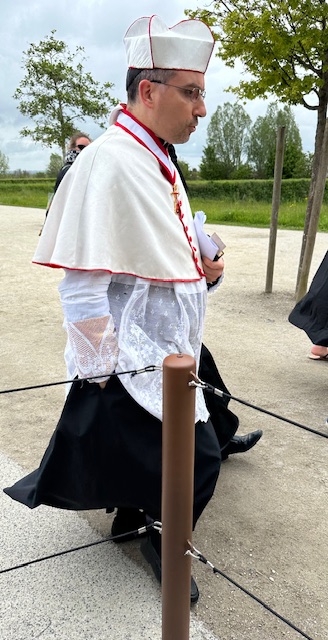
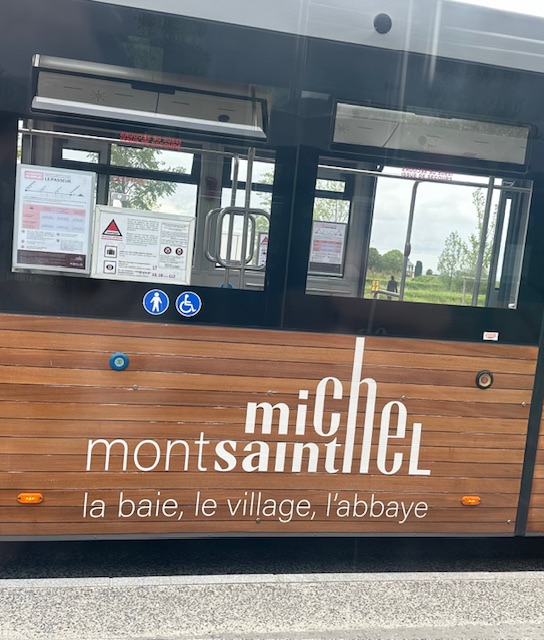
We were dropped off about 100 yards from the main gates to the village and were in awe of what stood in front of us.
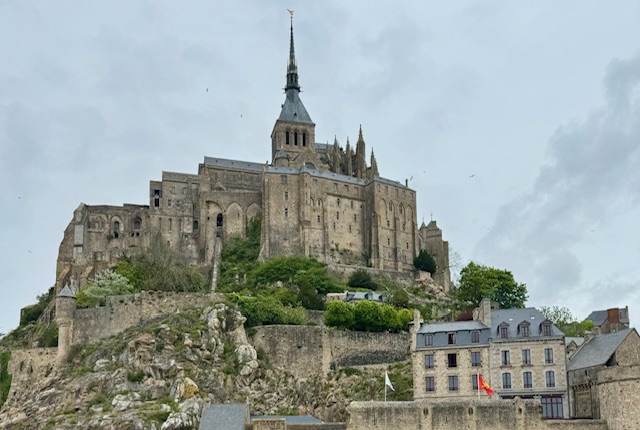
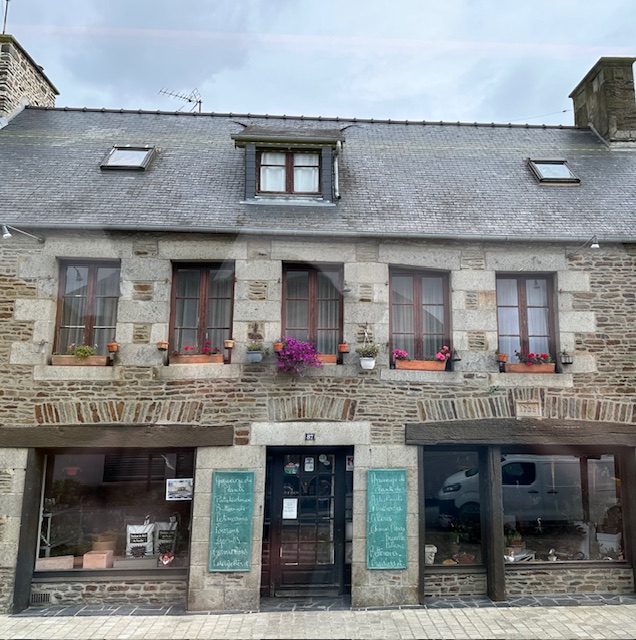
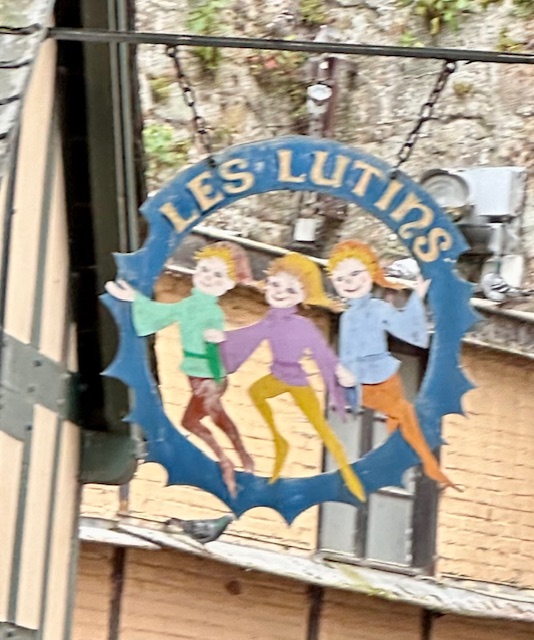
The abbey complex was built between the 10th and 12th centuries in stages. We entered through the villages main gate which is actually three successive gates which leads to the main street of the small Norman Village nestled at the foot of the abbey. Today these buildings contain shops restaurants and hotels.
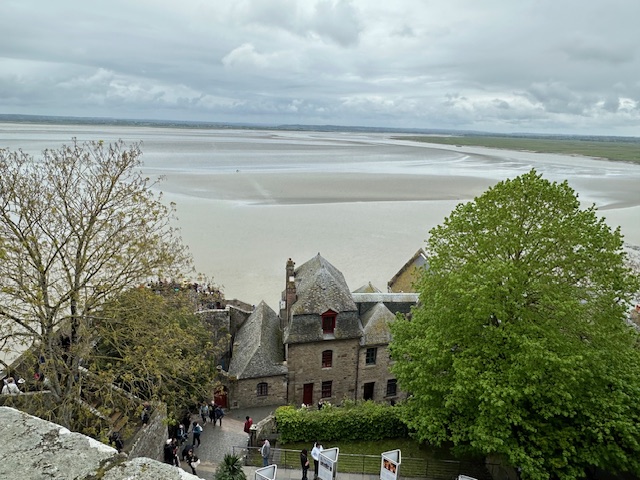
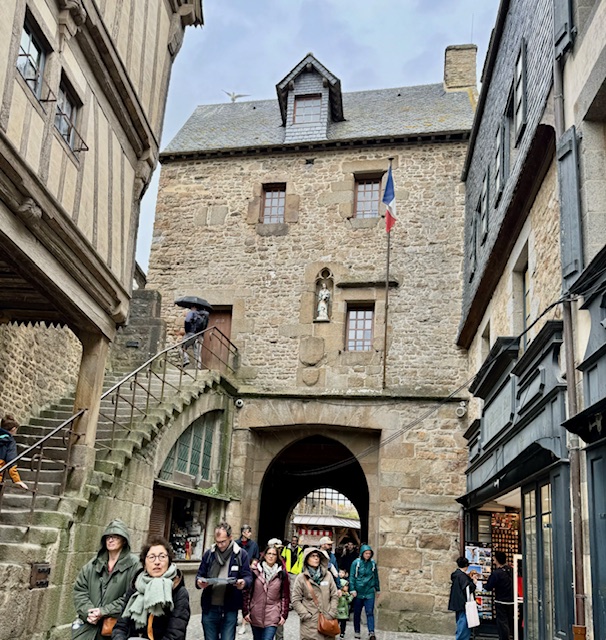
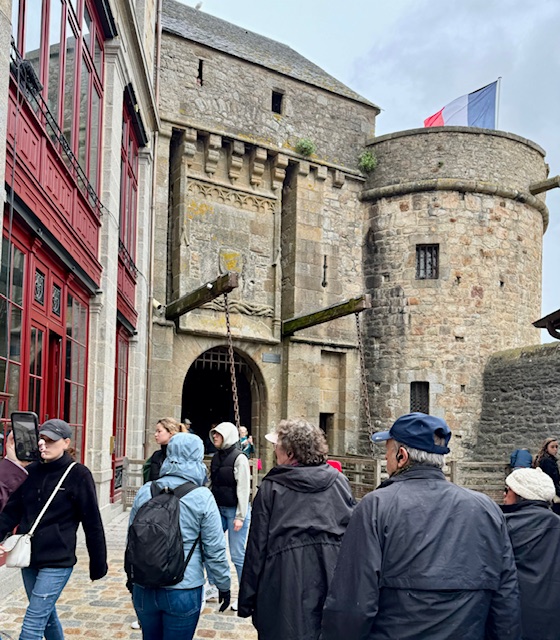
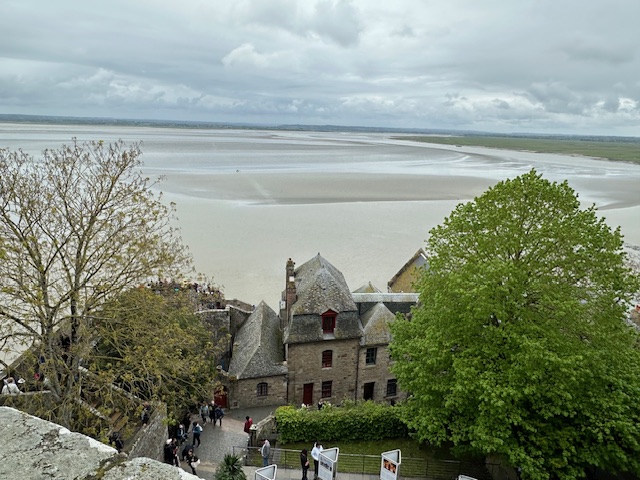
We strolled through the village enroute to the abbey’s main entrance. The entire walk is up hill. Once at the base of the abbey, it was several hundred steps up to the entrance to the abbey. Our guide did a great job of keeping our group moving up at slow but steady pace and we were rewarded with beautiful views of the surrounding area and of the abbey main entrance.
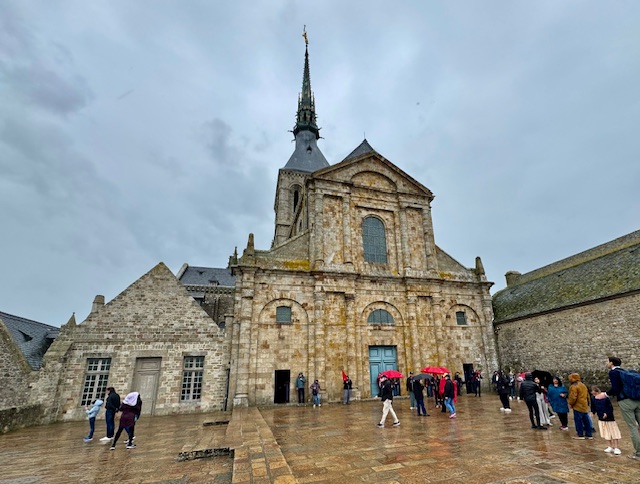
It was Sunday morning and Mass was in progress, so we had to stay in the back of the naive.
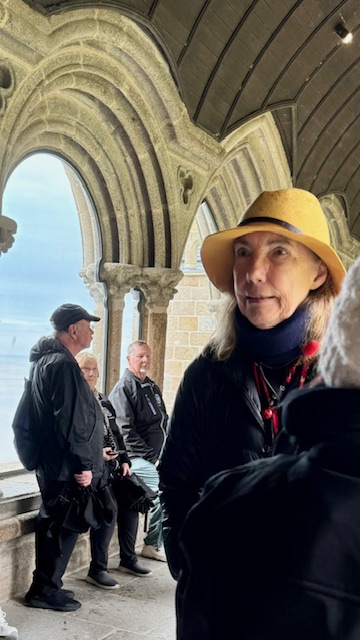
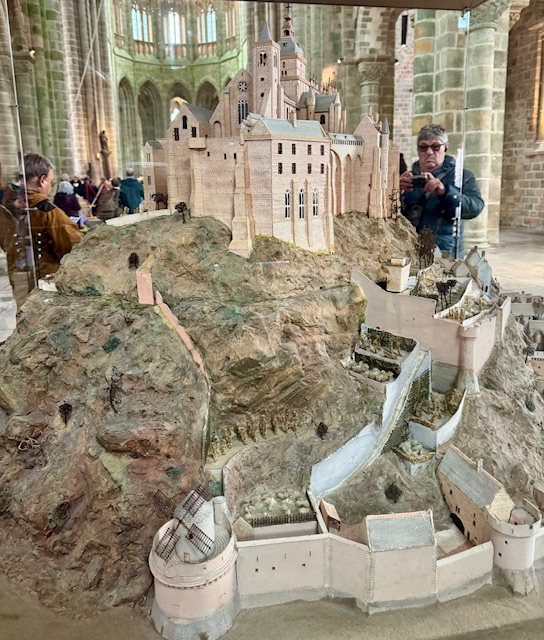
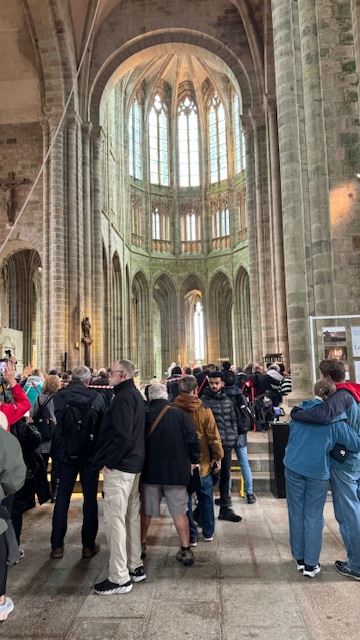
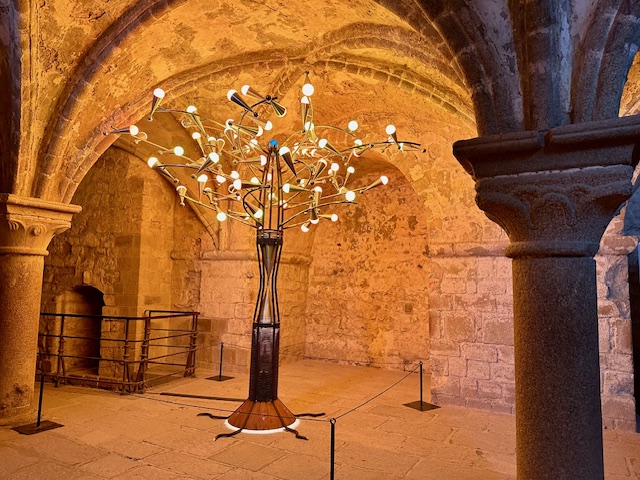
We began working our way back down, but this time we went through other buildings that are part of the abbey and the abbey’s basement/crypts. We were able to see the Benedictine Monk’s original dining room, monk work rooms where they transcribed and made copies of the bible, various chapels that were in the abbey’s crypt where we could see the massive columns and foundation that the support the abbey.

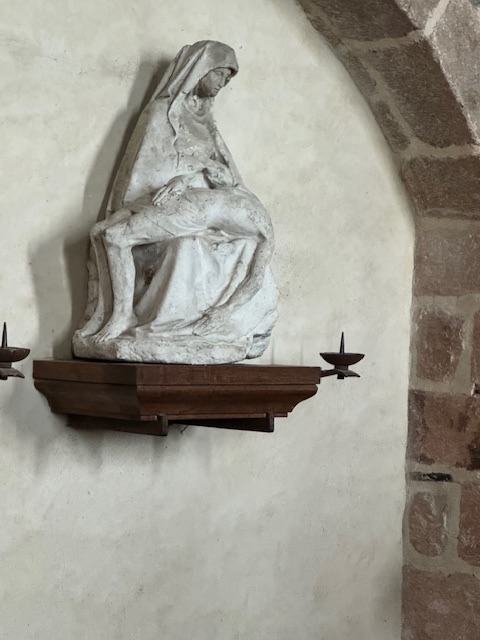
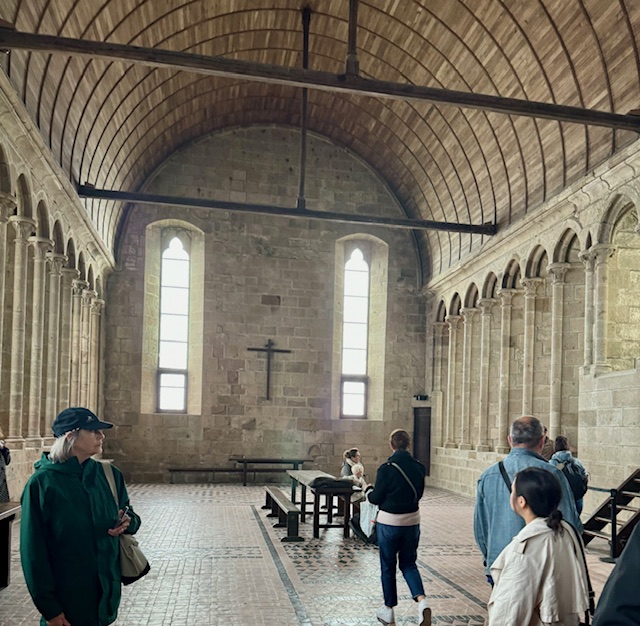
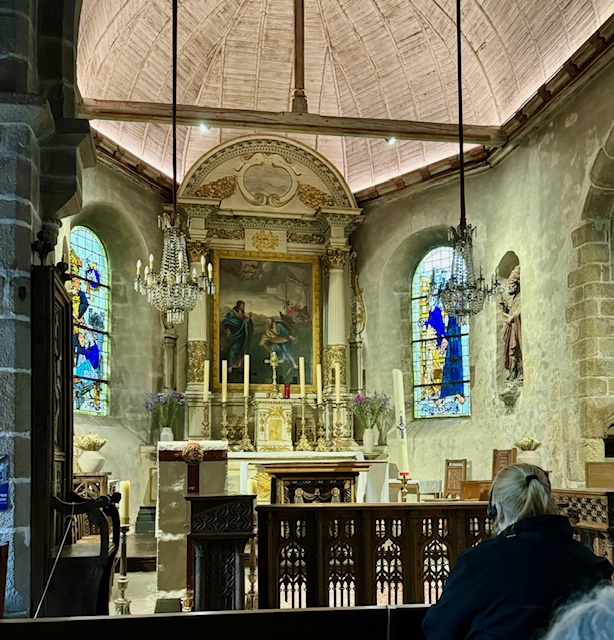
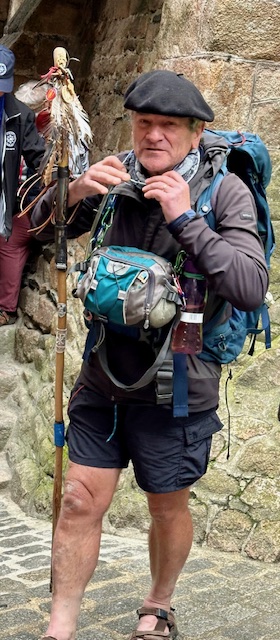
We visited a second smaller parish church called St. Peters located in the village. As the name implies, it serves as the village parish. The abbey complex is a frequent stop for pilgrims that are walking the famous Camino de Santiago, or way of St. James enroute to Santiago de Compostela in Northern Spain. While in St. Peters, we witnessed the arrival of one of these pilgrims.

Our next port of call is tomorrow at Honfleur, France.

 Don & Kully's World Cruise on Viking Neptune
Leave a comment