We made it through the seven days at sea that it took to get from Namibia to Senegal. The remaining 18 days of the voyage is loaded with ports, so I’m sure that within a week or so we’ll be wishing for a leisurely day at sea.
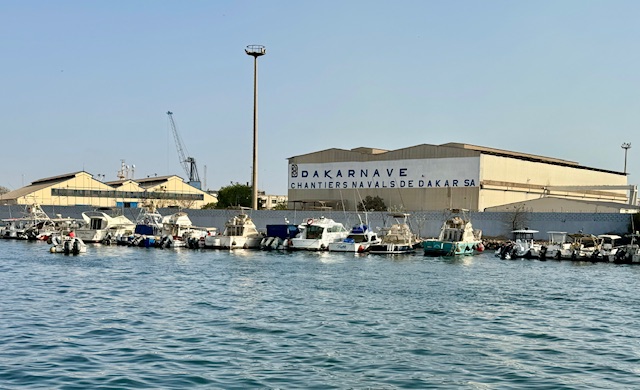
Today we visited Dakar the capital city of Senegal, the most western city on the African Continent. The area around Dakar was colonized by the Portuguese in the 15th century and later established a presence on the island of Goree just off the coast as a base for the slave trade. The French took over the area in the late 1600’s. Following the abolition of the slave trade, Dakar grew into a major regional port and a major city of the French colonial empire. Today, Dakar remains a major West African port with nearly 4 million people living in the city’s metropolitan area.
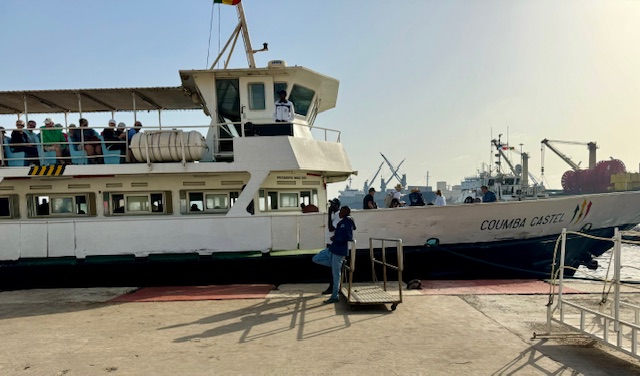
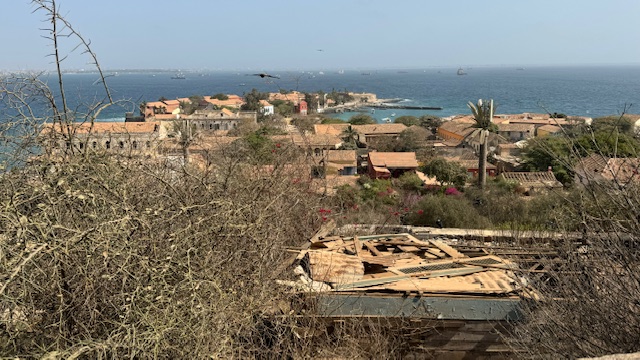
We took an all-day optional Viking excursion, “Highlights of Dakar”. We began with a ferry ride to Goree Island, a UNESCO World Heritage Site.
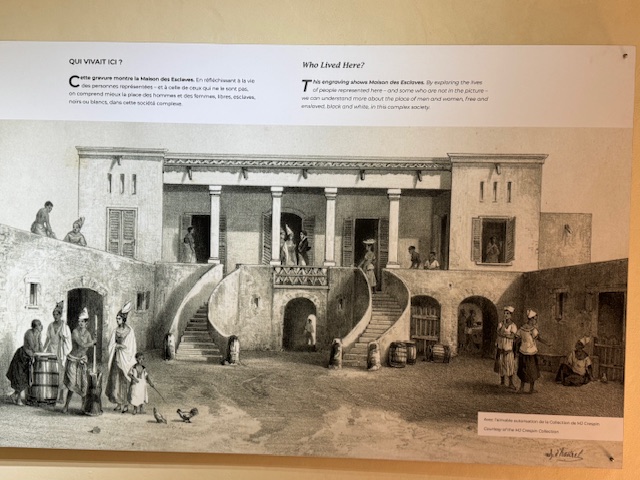
Here we visited the Maison des Esclaves, a former market for the purchasing of African Slaves and museum featuring exhibits that chronicled the dark period of history. We have also had several lectures from our on-board historians regarding the famous “Triangle Trade Route” of the slave trade era. Ships traveling the trade route carried manufactured goods from England to Africa, picked up slaves in Africa to carry to the West Indies/Americas and then loaded sugar for the return to England. It is estimated that 24 million slaves were taken from Africa. Interestingly 12 million went to the middle east, 11.5 million went to the West Indies and Brazil, and 450,000 went to North America. The majority of slaves going to the Americas actually went to Brazil.
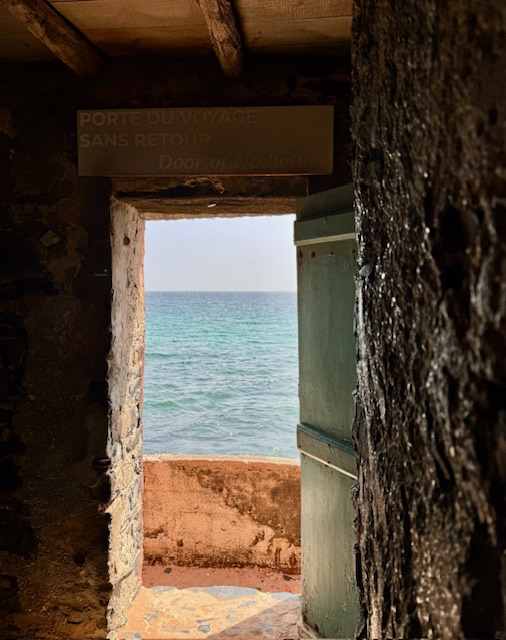
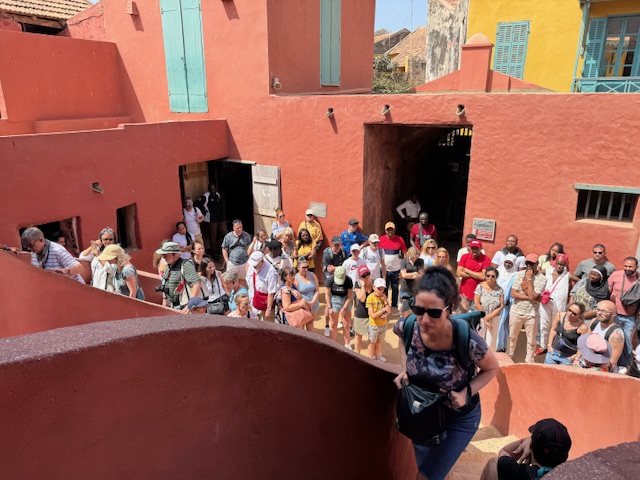
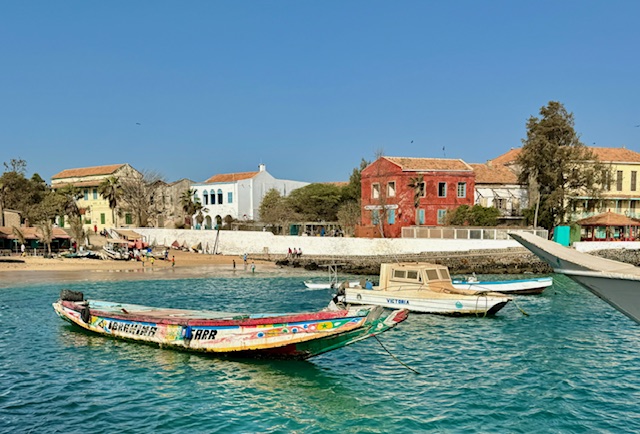
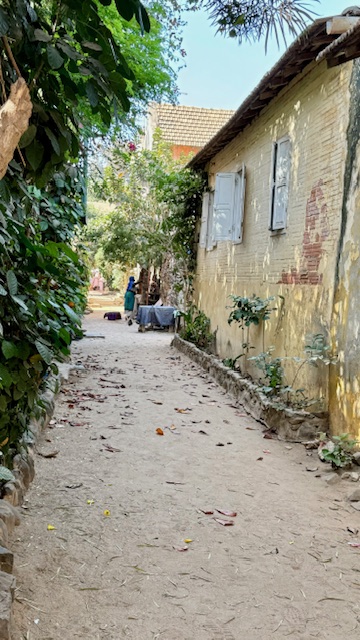
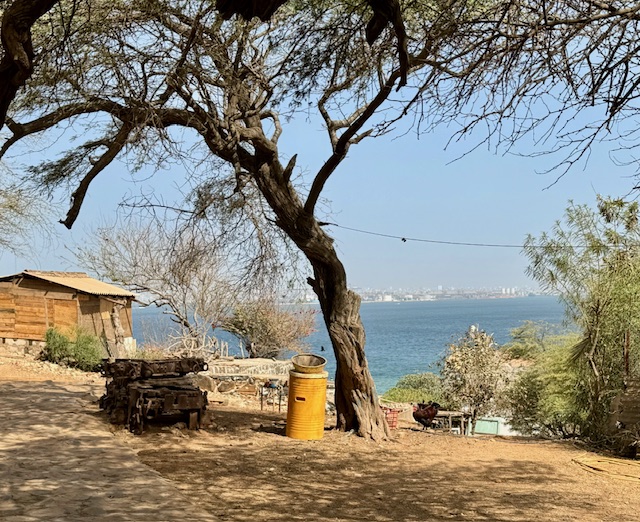
The tiny island was actually very beautiful and full of life and activity, but at the same time very thought provoking.
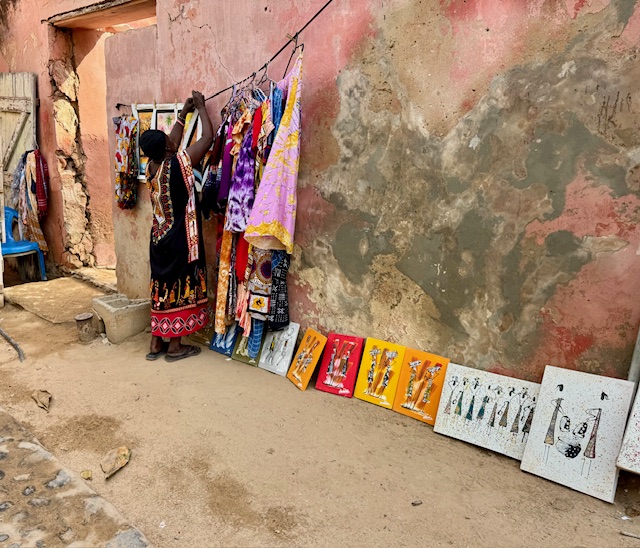
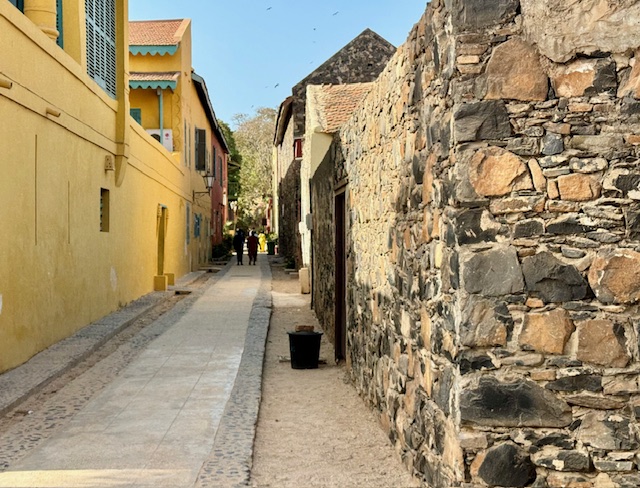
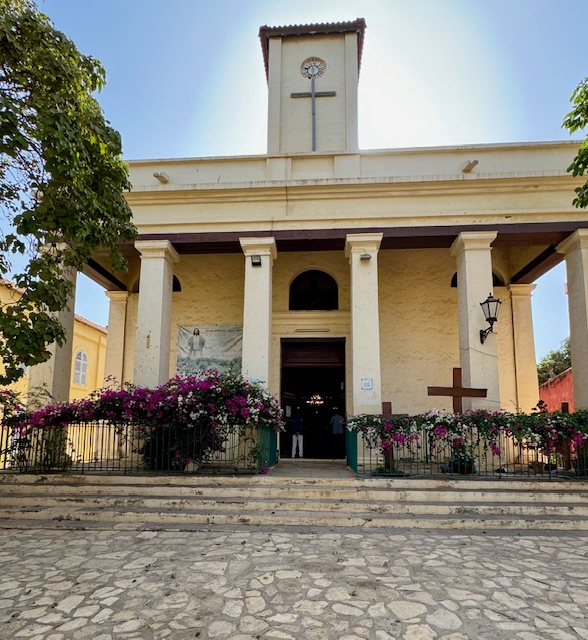
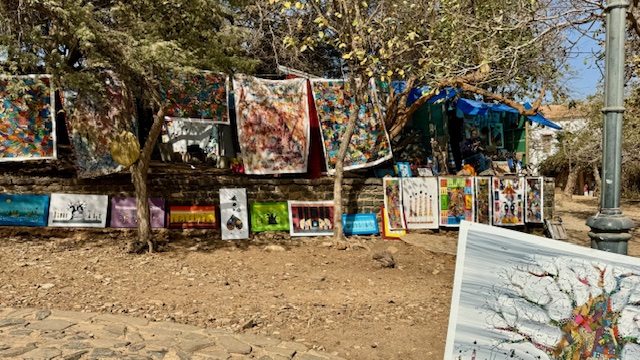
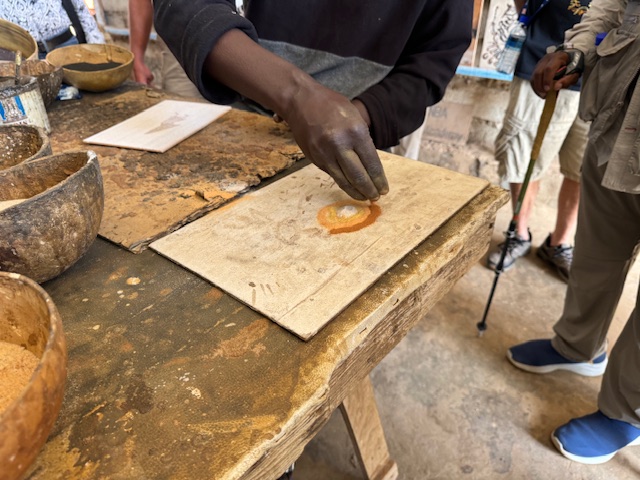
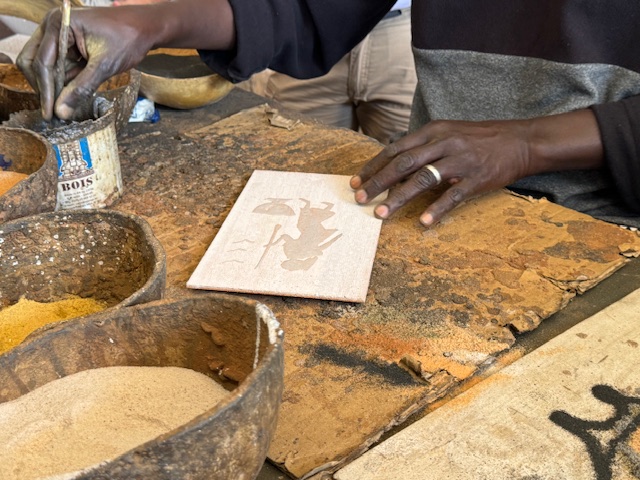
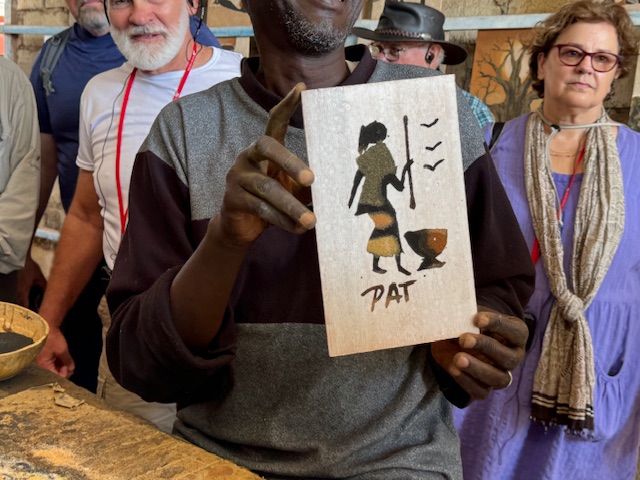
We also visited a small sand art gallery where we watched local artist paint sand paintings.
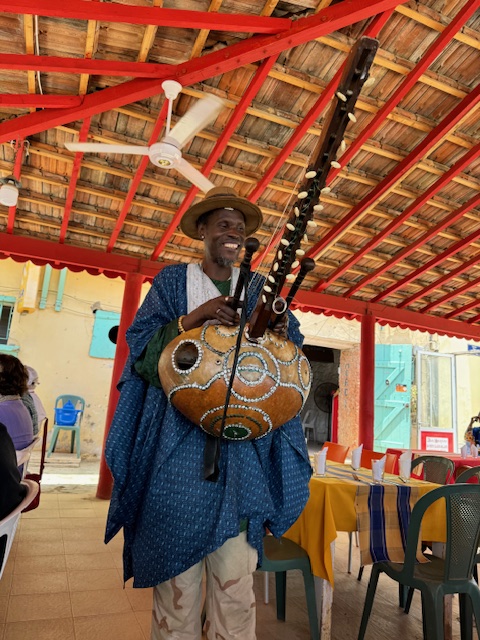
We had a wonderful seafood lunch at a local restaurant where we were serenaded by a local gentleman playing a 21-string instrument called the Kora. We also enjoyed listened to several young men playing the Kashaka, made from gourds (essentially, two small maracas connected by a string). One gourd is held in the hand and the other is quickly swung around the hand creating a “clack” sound upon impact.
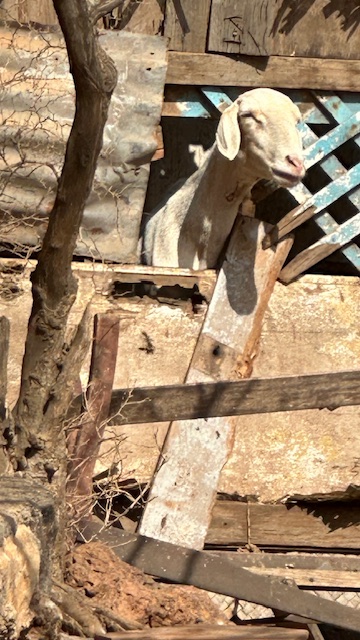

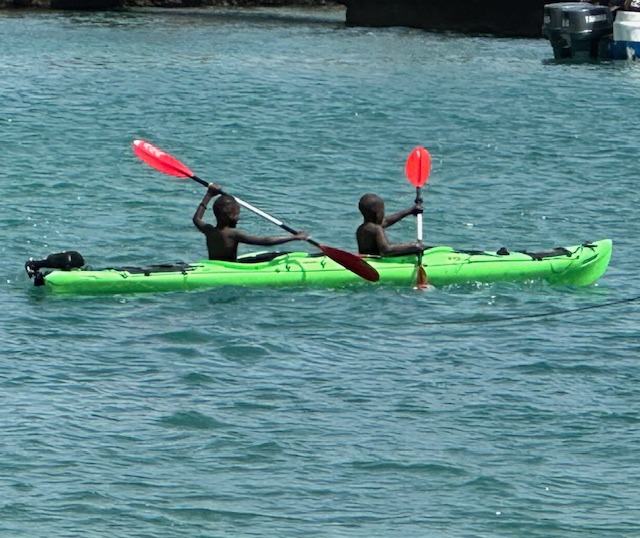
Here are some more colorful pictures from Goree Island.
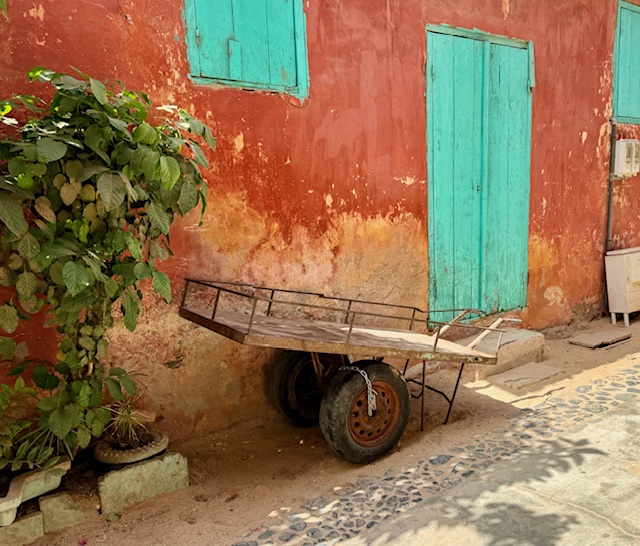
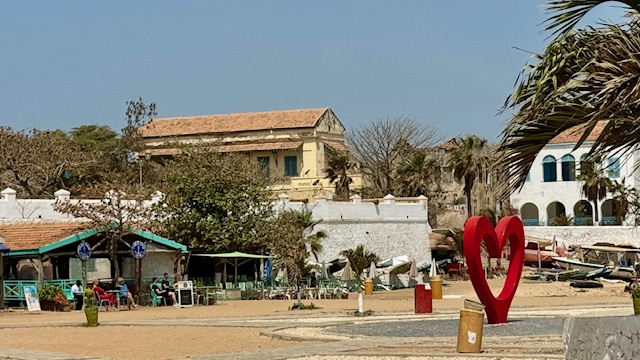
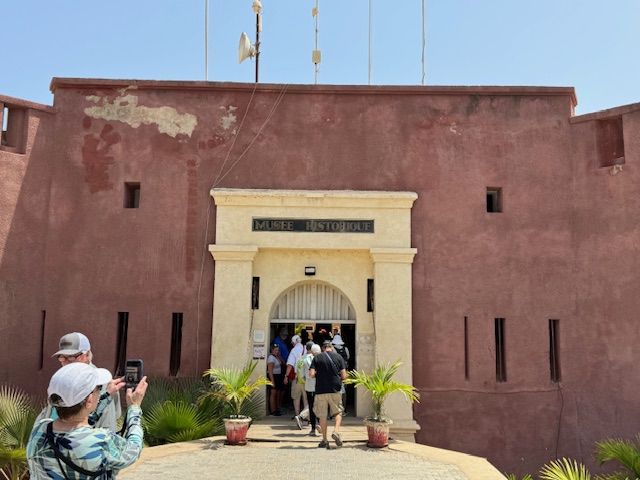

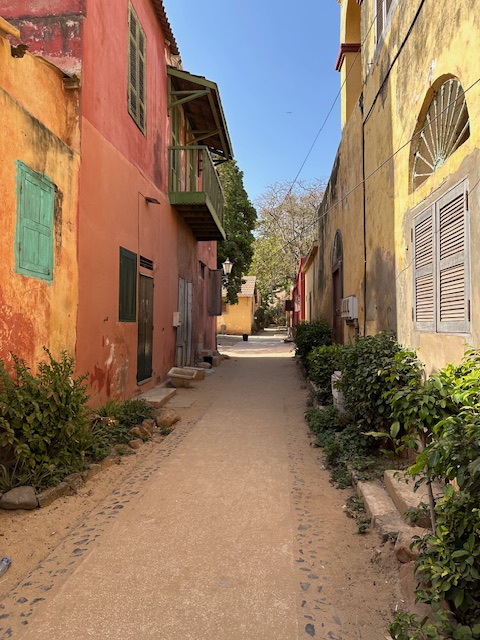
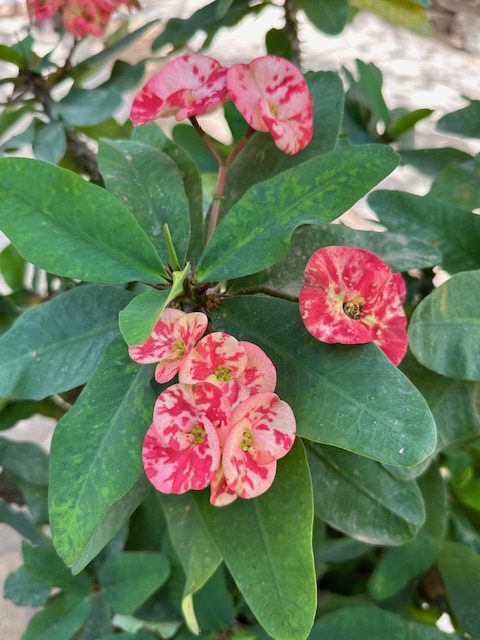

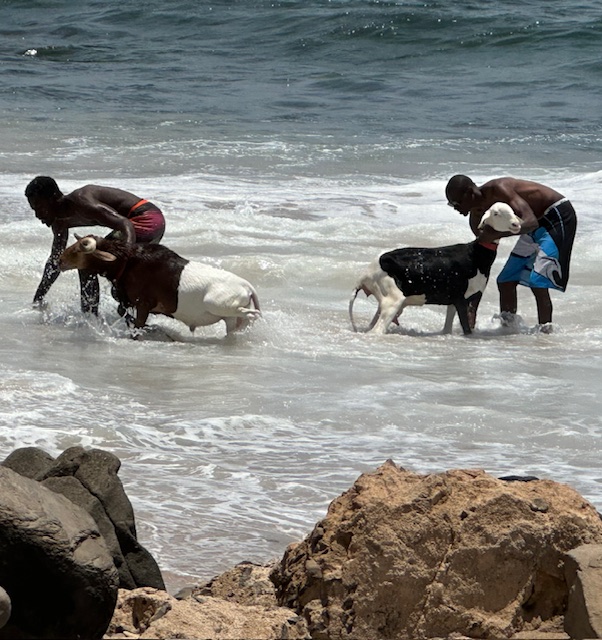
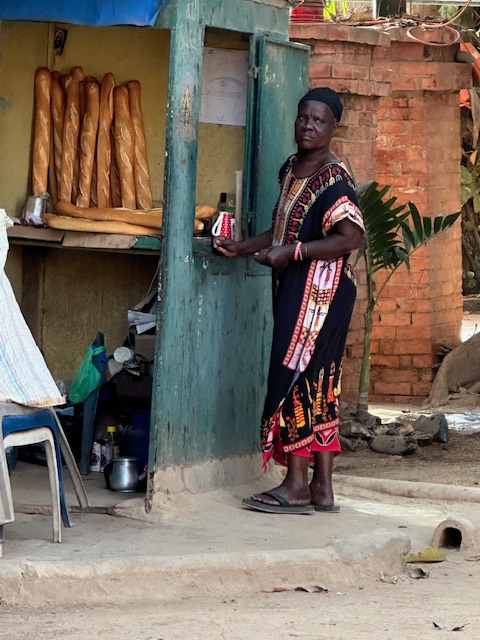
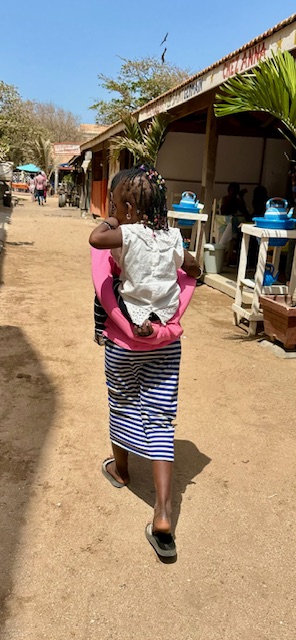
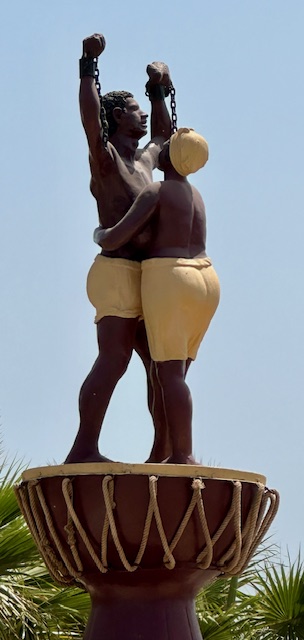
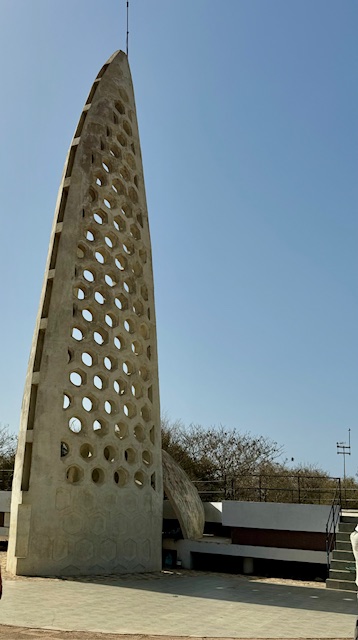
After lunch we reboarded the ferry for our return to Dakar for a short tour of the city. We were shown the beautiful train station built in the late 1800’s, the presidential palace, the parliament building, and the amazing monument of the African Renaissance.
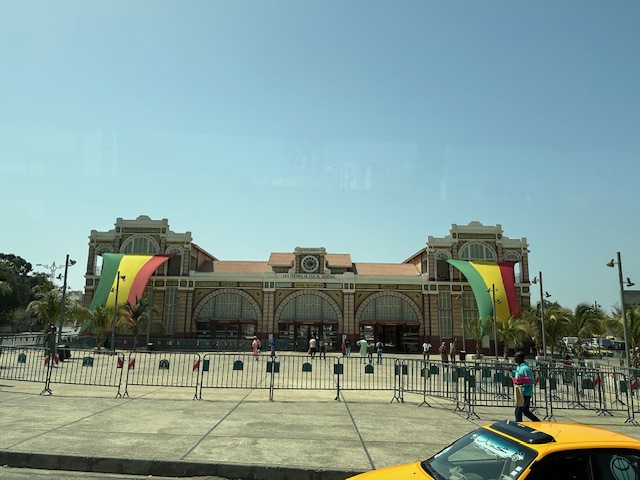
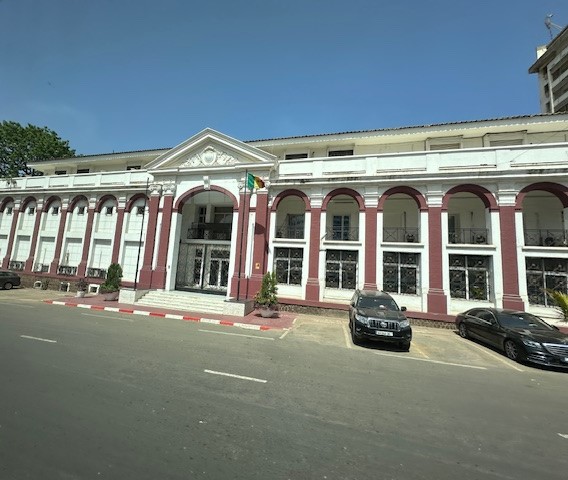
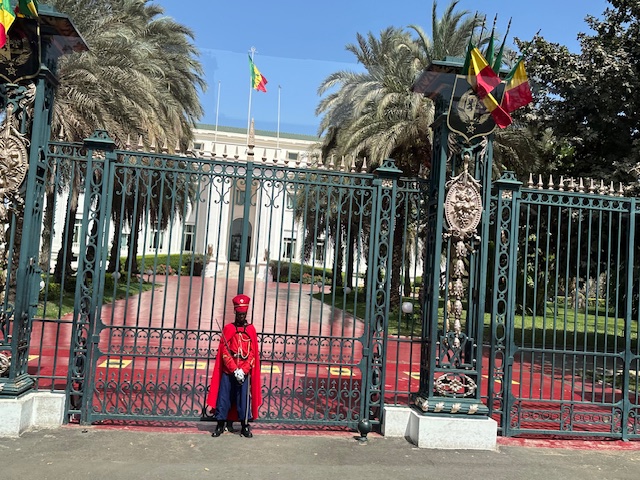

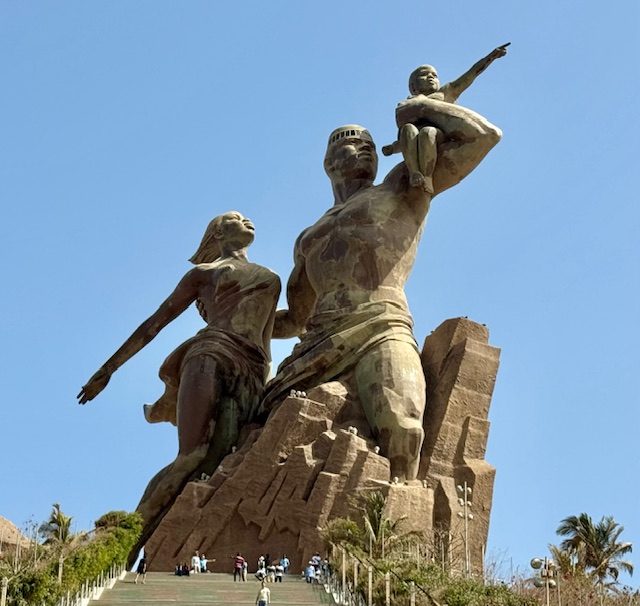
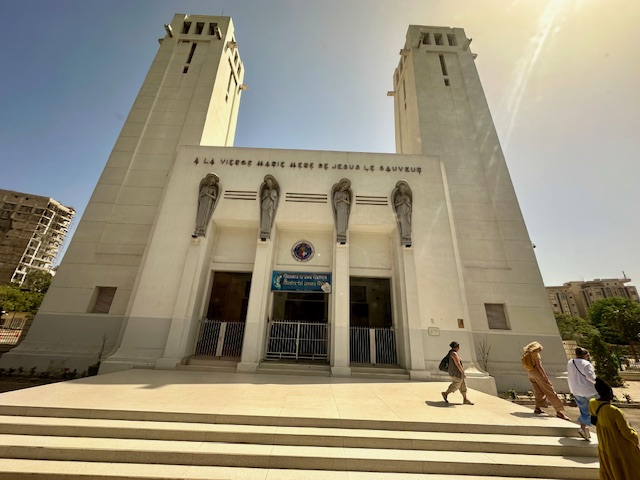
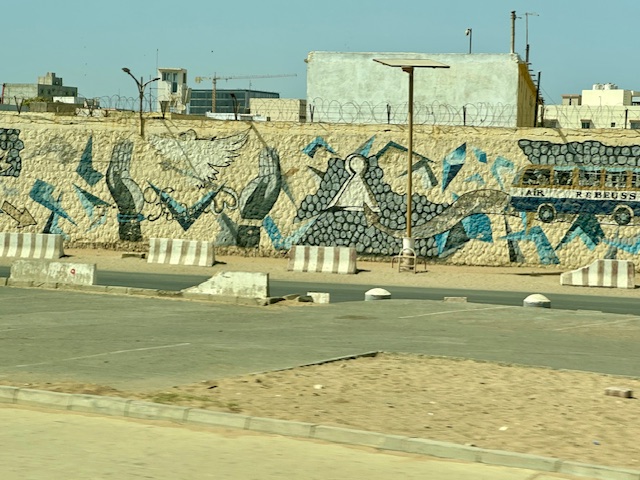
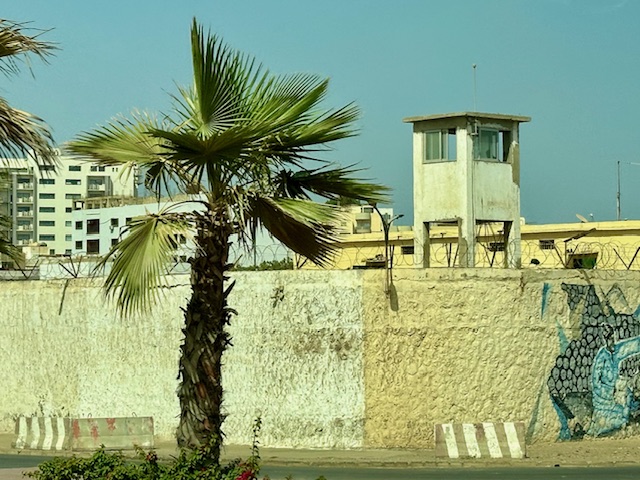
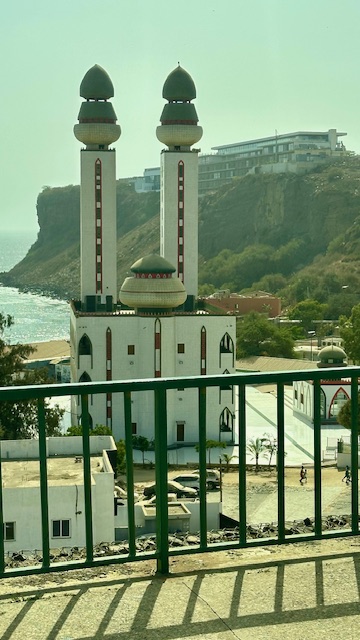
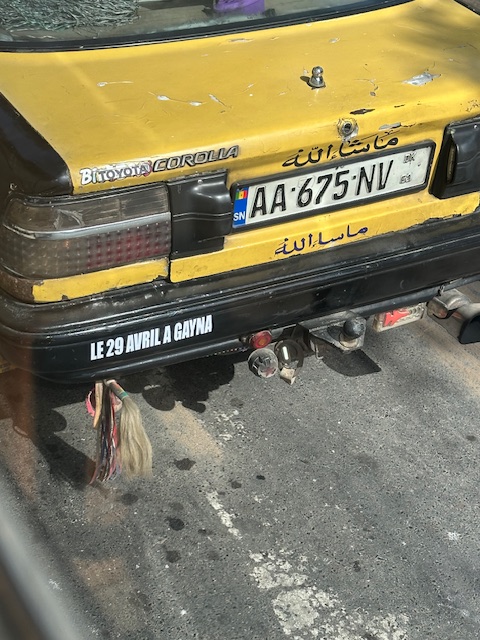
Here are some of the street scenes from Dakar.
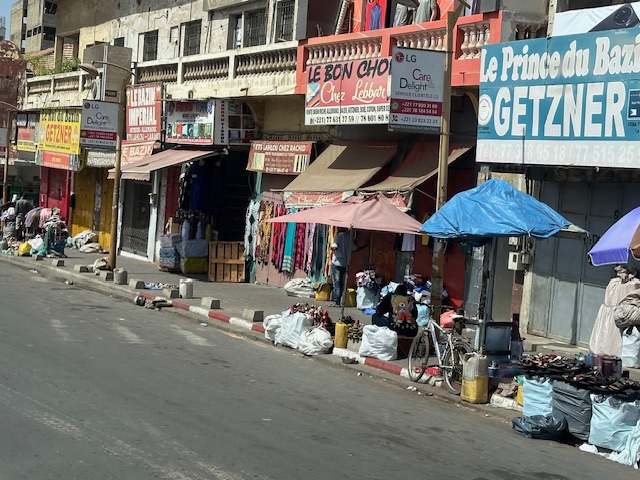
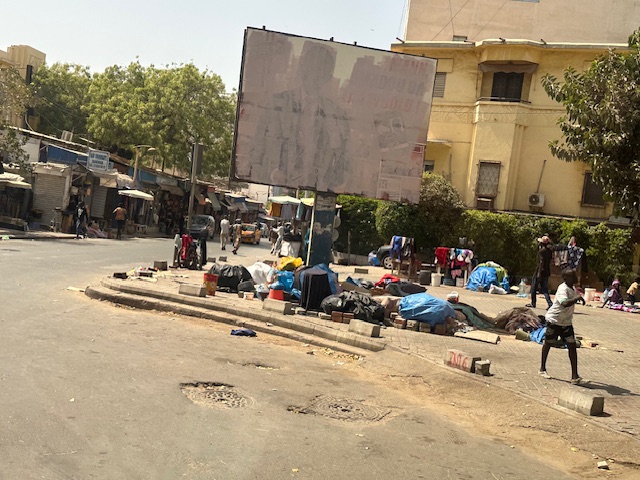


Our next port of call will be in Tenerife, Spain the largest of the Canary Islands on Wednesday, 24 April.


 Don & Kully's World Cruise on Viking Neptune
Leave a reply to Sue In Paradise Cancel reply